
Family dinners bring everyone together, but planning meals that satisfy different tastes and ages can feel overwhelming. Research shows families who eat together 3+ times per week have children with better academic performance and stronger emotional bonds.
We at Laurie’s Grill know that creating the best family meals doesn’t require complicated recipes or hours in the kitchen. Smart planning and simple techniques make all the difference.
What Makes Meal Planning Work for Families?
Start with Crowd-Pleasing Base Recipes
The most successful family meals begin with adaptable base recipes that work across age groups. Pasta dishes, stir-fries, and sheet pan meals allow each family member to customize their portion. A basic chicken and vegetable stir-fry satisfies a toddler who picks out individual pieces, a teenager who loads up on protein, and adults who want balanced nutrition. Research shows that families who use this flexible approach eat together more frequently than those who serve fixed meals. Focus on recipes with 5-7 ingredients maximum to avoid overwhelming younger palates while you maintain adult interest.
Plan Three Meals Ahead, Not Seven
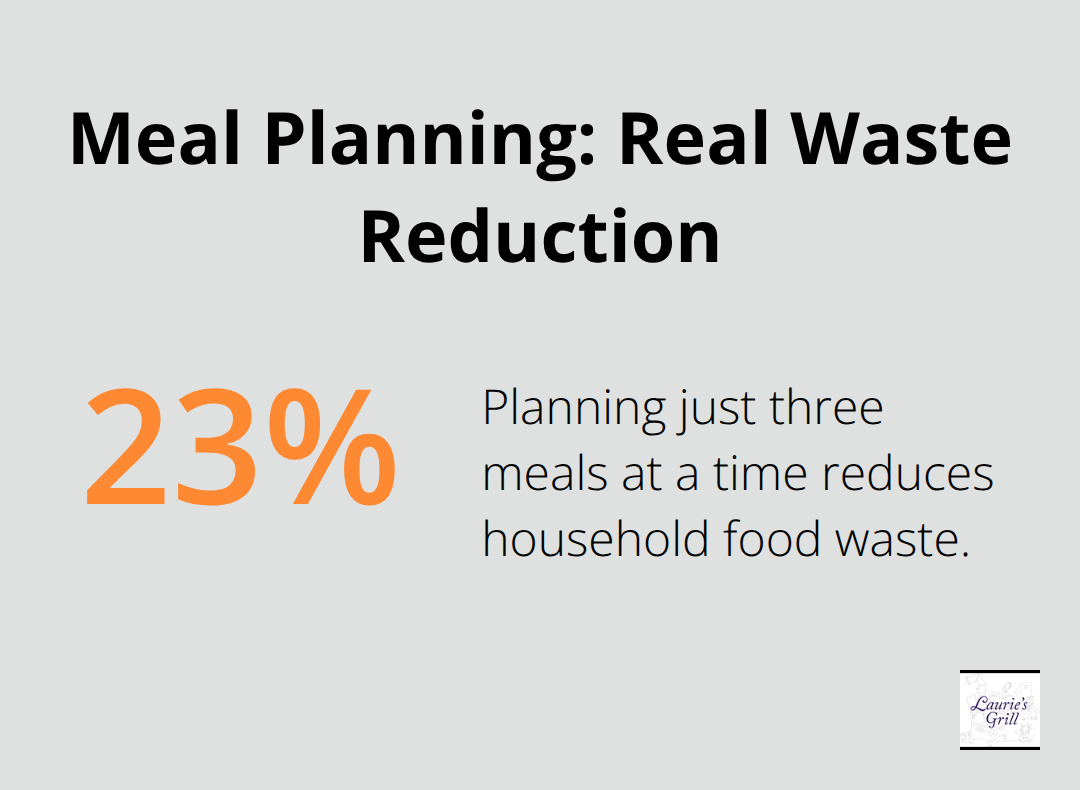
Weekly meal plans sound ideal but often fail in practice. Instead, plan just three meals at a time and shop accordingly. This approach reduces food waste by 23% (according to the Natural Resources Defense Council) and prevents the stress of committing to a full week of meals.
Choose one protein-heavy meal, one vegetarian option, and one comfort food dish for each cycle. Keep backup ingredients for simple meals like breakfast-for-dinner or grilled cheese and soup. This strategy accommodates last-minute schedule changes while it maintains structure.
Handle Dietary Needs Without Separate Meals
Multiple dietary restrictions don’t require multiple meals. Build meals with components that you can separate before you add allergens or restricted ingredients. Cook plain rice, grilled chicken, and steamed vegetables separately, then let family members combine as needed. The Academy of Nutrition and Dietetics reports this component-style approach reduces kitchen time by 35% while it accommodates gluten-free, dairy-free, and other dietary needs. Stock pantry alternatives like gluten-free pasta and plant-based proteins to swap into regular recipes without you change the entire meal structure.
These smart strategies set the foundation for stress-free family meals, but the real magic happens when you master the right techniques in the kitchen.
Which Cooking Methods Save Family Dinner Time?
Master One-Pan Techniques That Actually Work
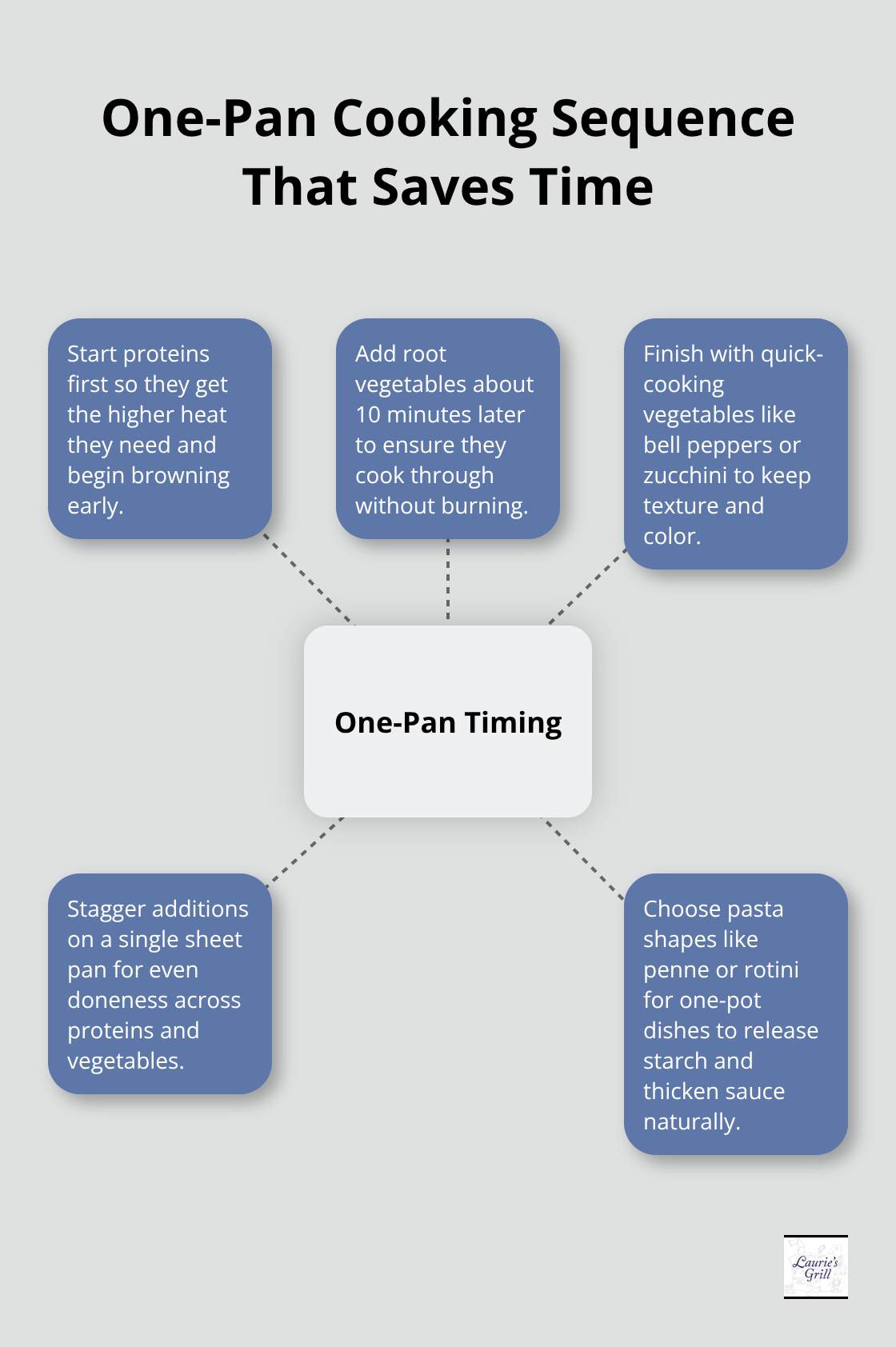
Sheet pan dinners and one-pot meals cut preparation time compared to traditional multi-dish methods. The key lies in proper sequence and temperature control, not just combining ingredients randomly. Start proteins first when they need higher heat, add root vegetables after 10 minutes, then finish with quick-cooking items like bell peppers or zucchini. A single sheet pan handles chicken thighs, sweet potatoes, and broccoli perfectly when you stagger the additions. One-pot pasta dishes work best with shapes like penne or rotini that release starch gradually and create natural sauce thickness without separate steps.
Batch Cook Smart, Not Hard
Effective batch preparation focuses on versatile base ingredients rather than complete meals. Cook 3-4 pounds of ground beef or shredded chicken on Sunday, then transform portions throughout the week into tacos, pasta sauce, or stir-fries. USDA Food Safety guidelines allow cooked proteins to stay fresh for 4 days refrigerated, which makes Wednesday your natural halfway point for fresh preparation. Rice, quinoa, and roasted vegetables maintain quality for 5 days when stored properly. This approach reduces daily preparation time from 45 minutes to 15 minutes per meal while it maintains variety.
Season Simply for Maximum Impact
Complex spice blends intimidate families and often fail with children. Three-ingredient combinations deliver better results than elaborate recipes. Salt, garlic powder, and paprika work on virtually any protein. Italian herbs, parmesan, and olive oil transform any vegetable into something appealing. Consistent flavors build family food preferences more effectively than constantly changing spices. Keep five go-to combinations ready and rotate them weekly rather than experiment with new spices that might get rejected.
These efficient techniques handle the cooking process, but the real family connection happens when you create the right atmosphere around your dinner table.
How Do You Make Dining Feel Special for Everyone?
Transform Your Table Into a Sharing Hub
Family-style service changes everything about dinner dynamics. Place serving dishes directly on the table and let family members serve themselves rather than plate individual portions in the kitchen. This approach encourages children to try new foods because they control their portions and feel more invested in the meal. Use shallow bowls for pasta, wide platters for proteins, and small dishes for sauces or toppings. Position serving utensils strategically so everyone can reach without stretching across the table. This setup naturally encourages conversation because family members interact with the food and each other throughout the meal instead of simply eating what appears on their plates.
Build Conversation Patterns That Stick
Successful family dinner conversations follow predictable structures rather than random topics. Start each meal with the same opening question format that rotates weekly. Monday focuses on daily highlights, Wednesday covers something new learned, Friday discusses weekend plans.
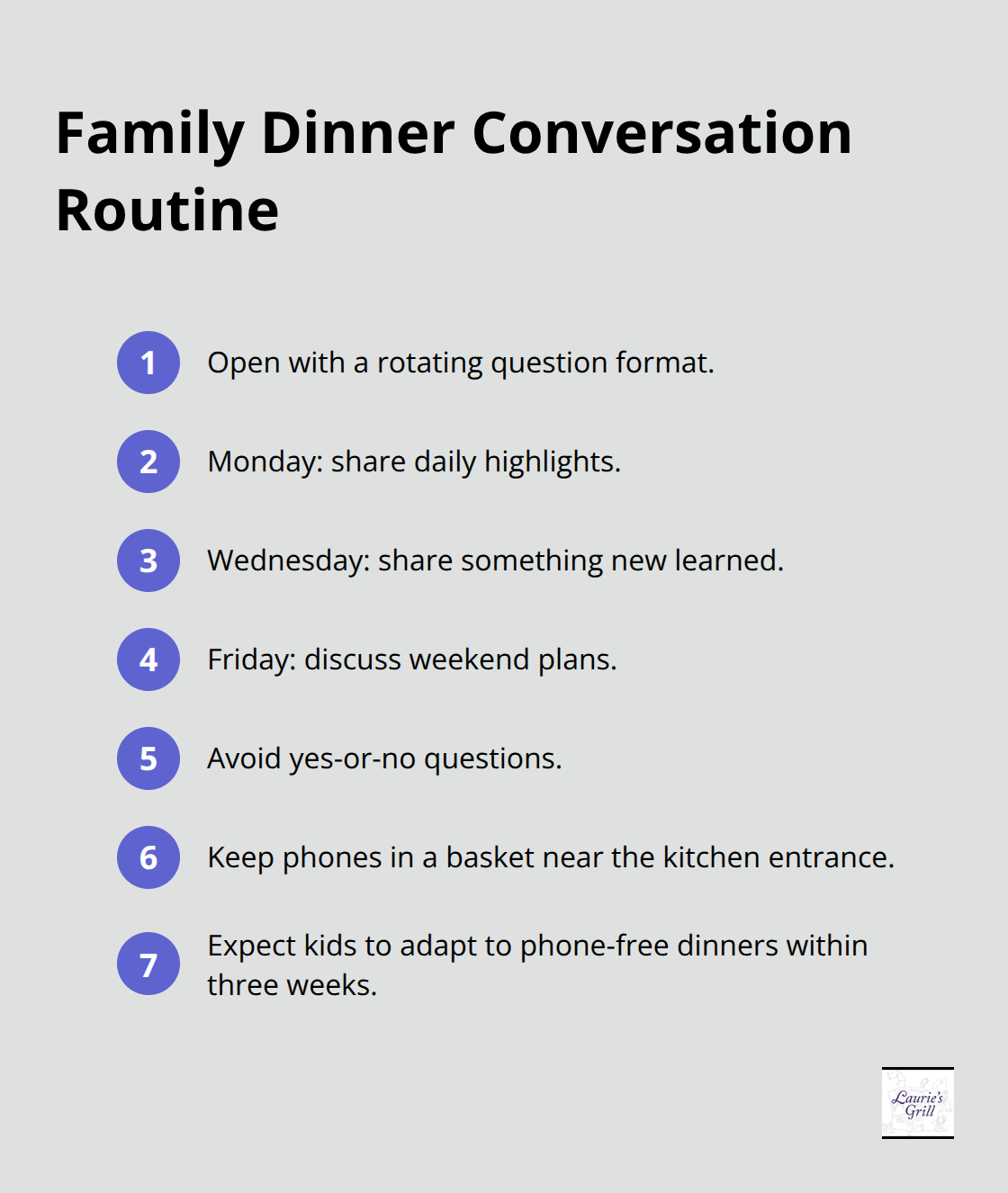
Structured conversation starters help families maintain longer dinner discussions compared to those without patterns. Avoid questions that require only yes-or-no answers because they kill conversation momentum. Replace “What did you do today?” with “Tell us about the best part of your day” or “What made you laugh today?” Keep phones in a basket near the kitchen entrance and establish this rule from the first family meal. Children adapt to phone-free dinners within three weeks when parents model consistent behavior.
Design Seating That Accommodates Growth
Physical comfort directly impacts how long families stay at the table and return for future meals. Standard dining chairs work poorly for children under eight and adults over six feet tall. Use booster seats or cushions to bring smaller children to proper table height rather than struggle with awkward positions. Position the most talkative family member across from the quietest to encourage natural conversation flow. Keep the table clear except for necessary serving items and centerpieces low enough that everyone maintains eye contact. Families with comfortable seating arrangements tend to eat together more frequently than those with poorly designed dining spaces.
Final Thoughts
The best family meals result from three core strategies: flexible plans that accommodate everyone’s preferences, efficient techniques that save time, and intentional environments that encourage connection. These approaches transform dinner from a daily challenge into a meaningful family experience. The benefits extend far beyond nutrition, as families who eat together regularly see improved academic performance in children, stronger emotional bonds, and reduced risky behaviors among teenagers.
Family meal traditions require commitment but not perfection. Start with just three planned meals per week and build consistency gradually. Focus on simple recipes that everyone enjoys rather than elaborate dishes that create stress (the goal is connection, not culinary excellence).
We at Laurie’s Grill understand the importance of families gathering around good food. Our family restaurant in Bend, Oregon creates that warm, welcoming atmosphere where families can enjoy home-style meals together. Whether you cook at home or dine out, the key is to make time for each other around the table.

Recent Comments