
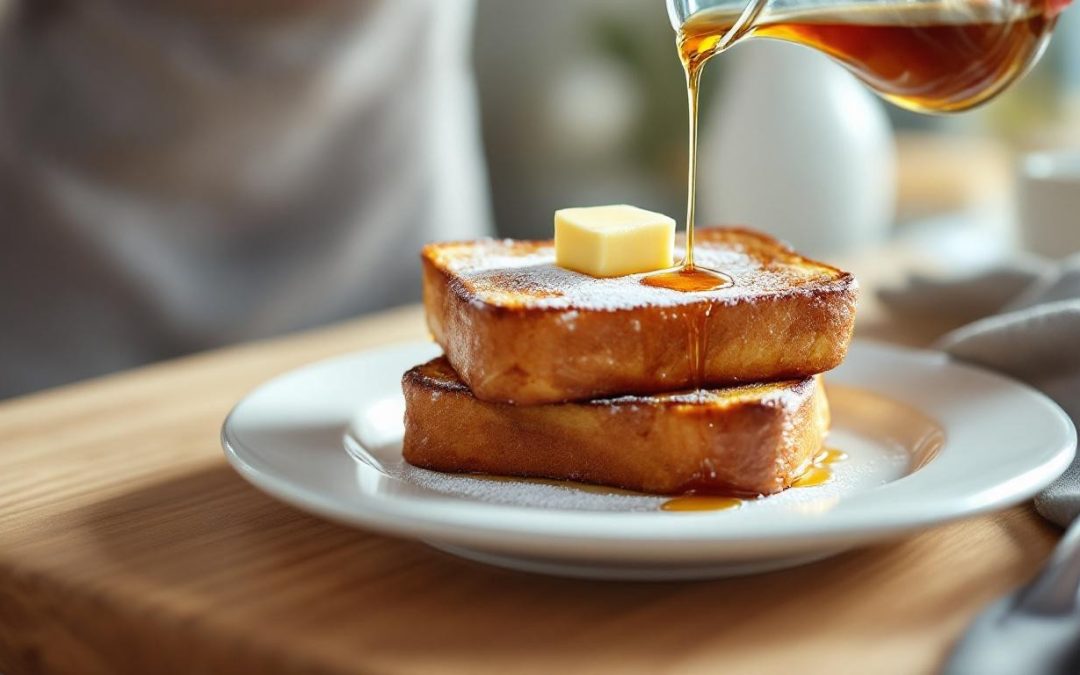
French toast sits at the heart of American breakfast culture, yet most people don’t realize this beloved dish has roots stretching back centuries in Europe. At Laurie’s Grill, we’ve watched countless customers order it week after week, and we wanted to understand why it’s become such a staple.
From its humble origins to the creative variations you see today, French toast tells a fascinating story about comfort, affordability, and nostalgia. This post explores how a simple egg-soaked bread dish conquered American breakfast tables.
How French Toast Found Its Way to America
European Origins and the Path to America
French toast did not arrive in America as a celebrated dish-it snuck in through the back door of necessity. The Romans called it “aliter dulcia,” meaning “another sweet dish.” Their recipe involved soaking bread in milk and beaten eggs, then frying it around the 4th or 5th century. Around 1300, the French cookbook Le Viandier recorded tostées dorées, which combined eggs and sugar in a preparation that closely mirrors modern French toast. Germany called it Arme Ritter, meaning poor knights, because it was a practical way to salvage stale bread. The name pain perdu, meaning lost bread, reveals the dish’s true purpose: rescuing bread that would otherwise be thrown away. This was survival cooking that happened to taste good.
American soldiers returning from Europe after World War I brought the name French toast with them, cementing the French association in American minds even though the dish had Germanic and broader European roots. The soldiers’ stories and memories helped transform a humble European necessity into something that felt exotic and desirable to American audiences.
Railroad Dining and the Rise of a Breakfast Icon
The real momentum came from railroad dining culture. The Santa Fe Railway served French toast in its dining cars through the Fred Harvey dining car service, exposing travelers across the country to the dish at a time when breakfast away from home was becoming normal. This exposure proved invaluable-millions of Americans encountered French toast in a context that felt special and memorable.
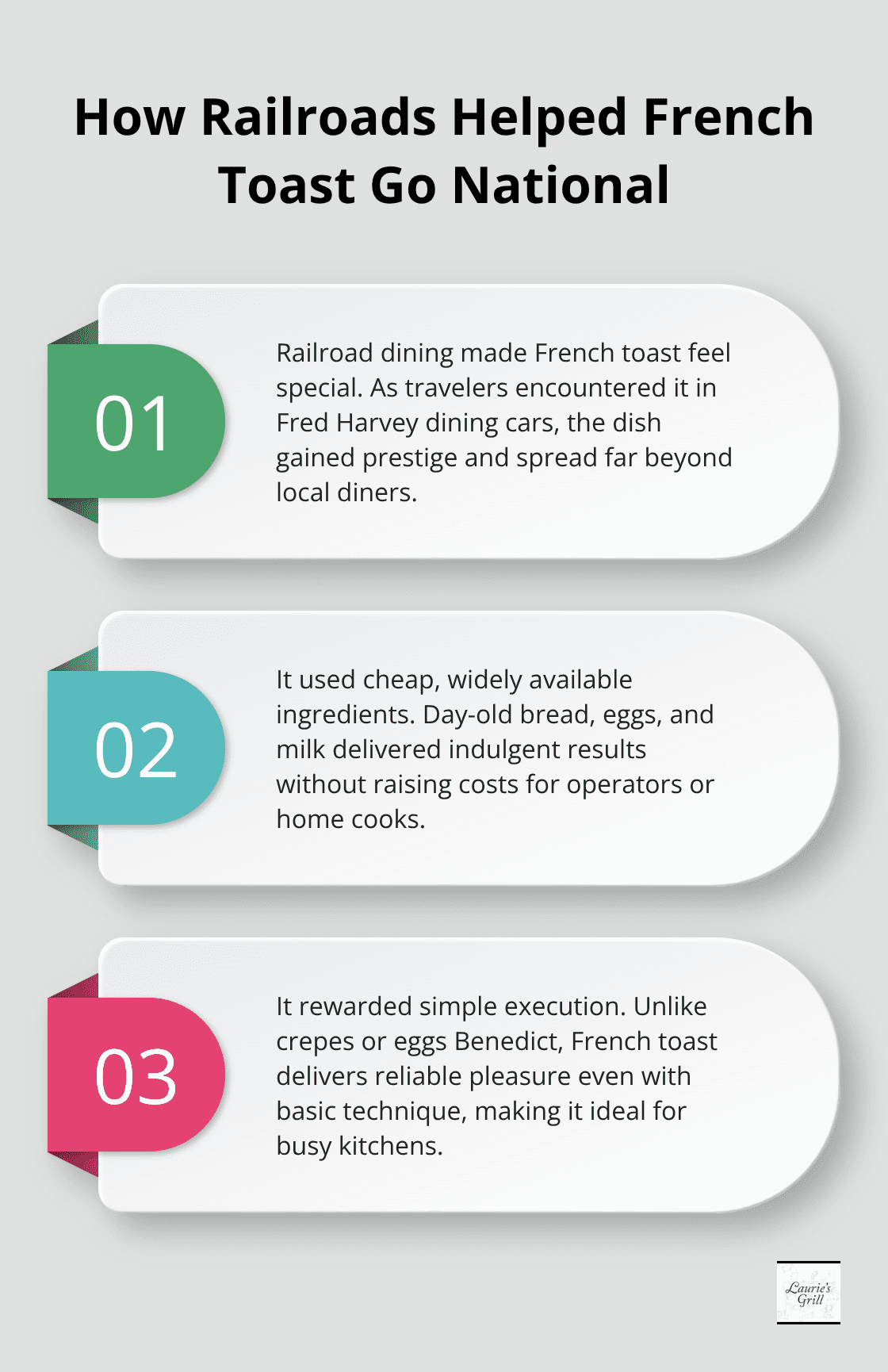
The combination of cheap ingredients, minimal skill required, and impressive results made it perfect for diners and home cooks alike. Day-old bread cost nothing or nearly nothing, eggs cost pennies, and the result felt indulgent despite the poverty-era origins. Unlike crepes, which demand technique and finesse, or eggs Benedict, which requires a temperamental hollandaise sauce, French toast rewards even clumsy execution.
Why French Toast Succeeded Where Others Failed
Thick slices of challah or brioche hold up to soaking without falling apart, and frying in butter produces a golden crust that signals comfort before the first bite. This combination of affordability, reliability, and genuine deliciousness is why French toast became embedded in American diner culture rather than remaining a European curiosity.
The dish succeeded not because Americans wanted to feel European, but because it solved a real problem: how to create a satisfying, memorable breakfast from ingredients already in the kitchen. Restaurants and diners recognized this advantage immediately. What started as a way to rescue stale bread transformed into something Americans actively sought out, week after week, at their favorite breakfast spots. This shift from necessity to desire set the stage for French toast to become far more than just another menu item.
What Makes French Toast Irresistible to Americans
The Comfort Food Connection
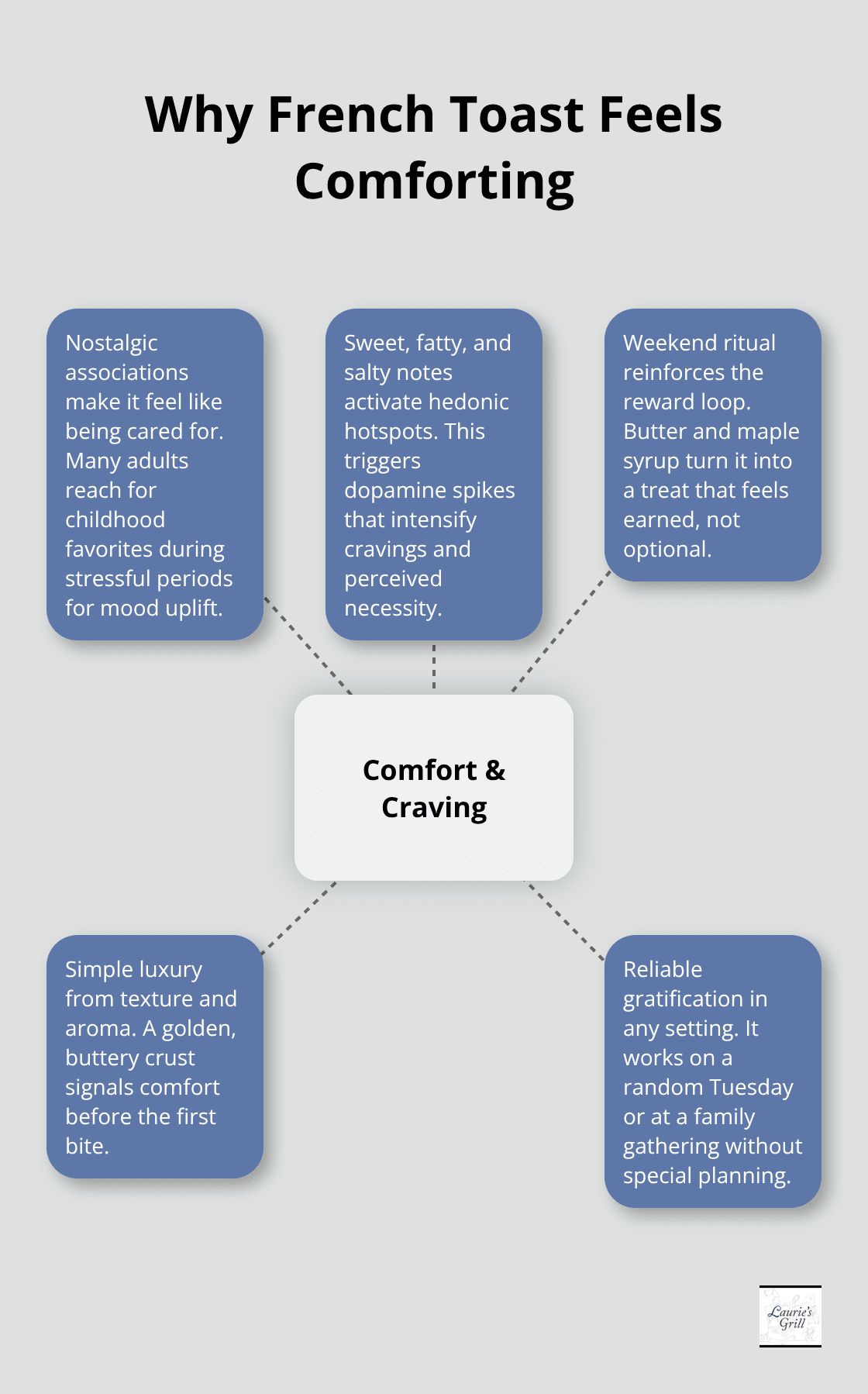
French toast taps into something deeper than hunger. Comfort foods work because they’re emotionally tied to being cared for in childhood, and French toast delivers that feeling reliably. A 2020 survey showed that about two-thirds of American adults turned to favorite childhood foods during pandemic stress, with many using comfort foods to bring happiness. French toast hits both marks at once: it’s nostalgic and immediately mood-boosting.
The science backs this up. Your brain has hedonic hotspots that heighten pleasure from sweet, fatty, and salty flavors, triggering dopamine spikes that create genuine cravings. When you fry French toast in butter and top it with maple syrup, you activate reward pathways that make the dish feel necessary, not optional. This neurochemical response explains why French toast became a weekend ritual for millions of American families rather than just another breakfast option.
Why Comfort Meals Stick Around
Comfort meals are typically quick to prepare and linked to celebratory memories, and French toast checks both boxes perfectly. The dish doesn’t demand hours of planning or special ingredients. You can make it on a random Tuesday morning or serve it at a family gathering, and it works equally well in both contexts.
Flexibility Without Compromise
What separates French toast from other comfort foods is its flexibility without sacrifice. You can use challah, brioche, or day-old sandwich bread, and the dish adapts to whatever you have. Toppings range from the traditional maple syrup and powdered sugar to berries, nut butter, whipped cream, or cinnamon sugar. Unlike eggs Benedict, which requires precision and temperamental hollandaise, or crepes, which demand serious technique, French toast forgives mistakes.
Undercook it slightly and the custard stays creamy inside; overcook it and you still have a satisfying breakfast. The base ingredients cost almost nothing: eggs are affordable, milk is standard pantry stock, and day-old bread is either free or discounted. A plate that feels indulgent costs under two dollars to make at home.
Why Restaurants Embraced It
Restaurants recognized this advantage immediately. The simplicity means diners can execute it consistently, and customers know exactly what they’re getting every time. At Laurie’s Grill, our Monagon’s Famous French Toast brings back customers who order it every week because they know it will be exactly what they want. The combination of affordability, reliability, and genuine satisfaction created something rare: a dish that works equally well for a home cook on a tight budget or a restaurant building menu consistency.
This universal appeal set the stage for French toast to transcend its humble origins and become something Americans actively sought out-not just at home, but at diners and restaurants across the country. The next chapter explores how regional variations and modern twists have kept French toast fresh and exciting for new generations of breakfast lovers.
How French Toast Evolved Beyond the Classic
From Sweet to Savory: Breaking the Mold
French toast evolved into savory variations starting around 2015 when chefs started treating it as a canvas for experimentation. The Monte Cristo, which layers ham and cheese between bread slices before the egg bath, emerged as a savory alternative that proved the dish could work outside the sweet category entirely. In New Orleans, pain perdu incorporates local bread and sometimes spirits in the custard, topped with cane syrup instead of maple-a regional interpretation that respects tradition while asserting local identity. Spain’s torrijas, served during Lent for centuries, use wine or honey in the soaking liquid and dust the finished slices with cinnamon, creating something that feels entirely different despite using the same core technique.
These variations matter because they show restaurants that French toast isn’t locked into one flavor profile. The dish adapts to regional ingredients and cultural preferences without losing its essential character.
Creative Interpretations That Redefined the Dish
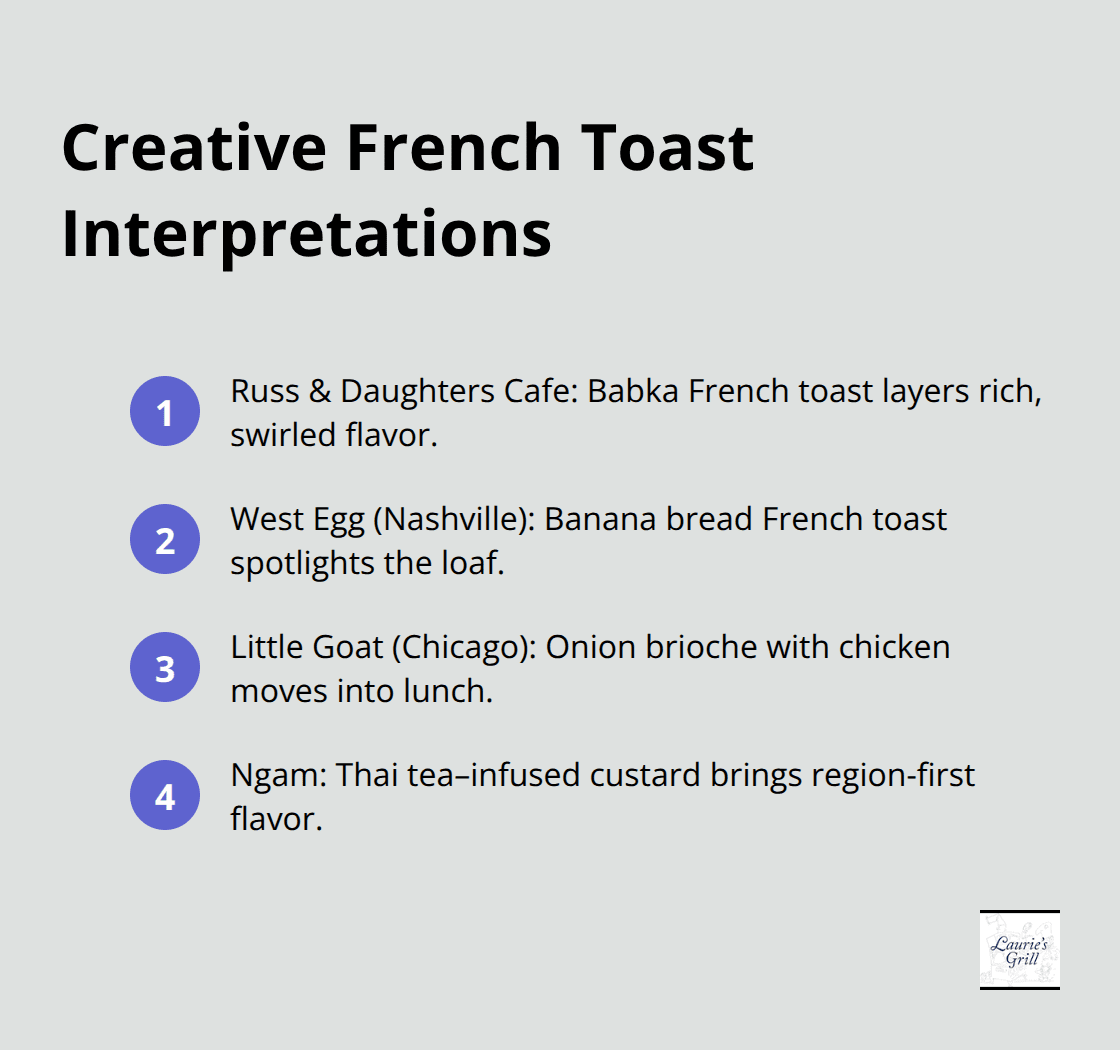
Russ & Daughters Cafe in New York built a following around babka French toast, which uses the rich, swirled bread to create layers of flavor that standard challah cannot match. West Egg in Nashville pushes further with banana bread French toast, treating the dish as a vehicle for bread experimentation rather than a fixed formula. Little Goat in Chicago combines onion brioche with chicken, moving squarely into lunch territory. Thai tea-infused French toast at Ngam demonstrates that the custard itself can carry regional flavor without relying on toppings.
These aren’t gimmicks-they’re restaurants solving the problem of how to keep a classic relevant without abandoning what made it work in the first place.
Social Media and Visual Appeal
Instagram posts of towering French toast stacks with elaborate toppings now drive customer traffic in ways traditional advertising never could, which means restaurants prioritize visual impact alongside taste. The best approach combines both: use brioche or challah for structural integrity, choose toppings that photograph well while actually enhancing flavor, and execute the cooking technique flawlessly so the custard stays creamy inside with a golden crust outside.
Home cooks can replicate this by soaking thick slices for about 10 minutes, frying in butter until the exterior browns, and topping with fresh berries or a drizzle of honey rather than drowning the plate in syrup.
Why French Toast Ranks High for Home Cooks
The dish ranks high for versatility and ease among breakfast foods, beaten only by more portable options like breakfast sandwiches and burritos. This positioning matters: French toast offers more customization than toast alone, requires less precision than crepes or eggs Benedict, and costs less than most restaurant breakfast items. If you want to serve something that feels special without demanding special skills, French toast remains the most reliable choice available.
Final Thoughts
French toast has earned its place at the center of American breakfast culture through affordability, reliability, and genuine emotional resonance. What started as a practical solution to rescue stale bread transformed into something Americans actively crave week after week at diners and restaurants across the country. The dish works because it delivers comfort without pretension, nostalgia without complexity, and satisfaction without expense.
Diners and restaurants continue to feature French toast because customers keep ordering it, and that consistency matters tremendously. When someone walks into a breakfast spot, they know French toast will taste good, cost less than most alternatives, and arrive quickly. At Laurie’s Grill, our Monagon’s Famous French Toast brings back customers who’ve made it part of their weekly routine, and that loyalty translates directly to revenue and reputation in ways that trendy items rarely achieve.
The future of French toast lies in respecting its foundation while embracing experimentation. Babka versions, savory interpretations with ham and cheese, regional twists using local bread and spirits, and creative toppings that photograph well on social media have all proven that the dish can evolve without losing its essential character. Home cooks and restaurants alike benefit from understanding what makes French toast work: thick slices of quality bread, proper soaking time, butter frying for that golden crust, and toppings that enhance rather than mask the custard’s creamy interior.

Recent Comments