
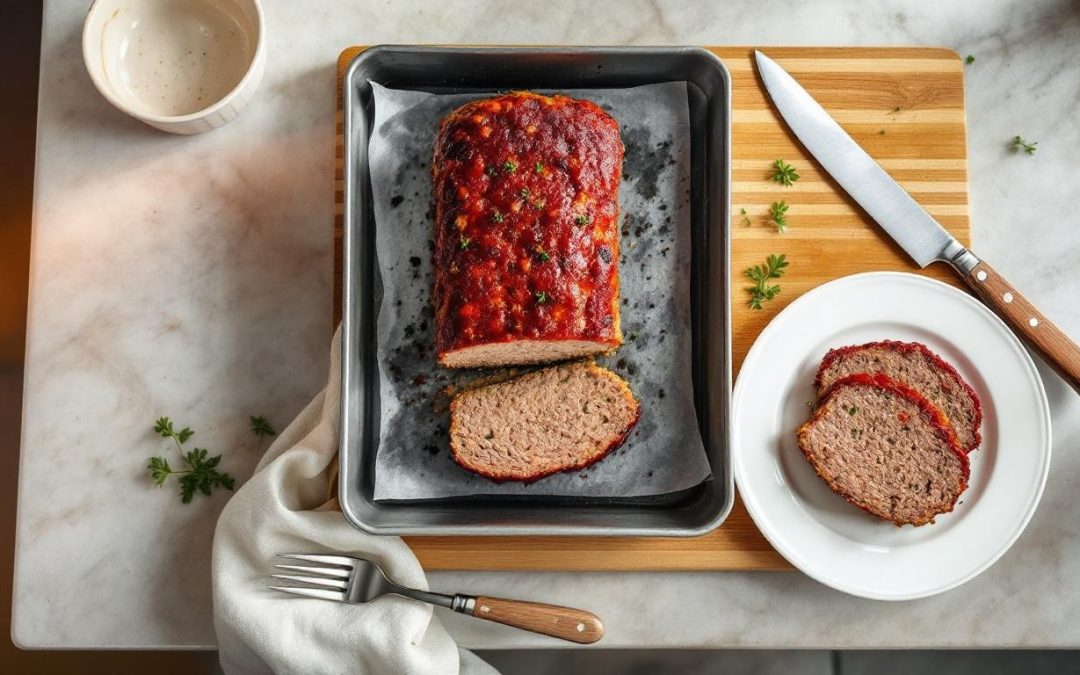
Meatloaf is the weeknight dinner that actually brings families together. We at Laurie’s Grill know that a great meatloaf recipe doesn’t require fancy ingredients or complicated techniques.
This guide walks you through everything you need to make a meatloaf that your family will ask for again and again. From the right meat blend to the perfect glaze, we’ve got you covered.
What Makes a Great Meatloaf
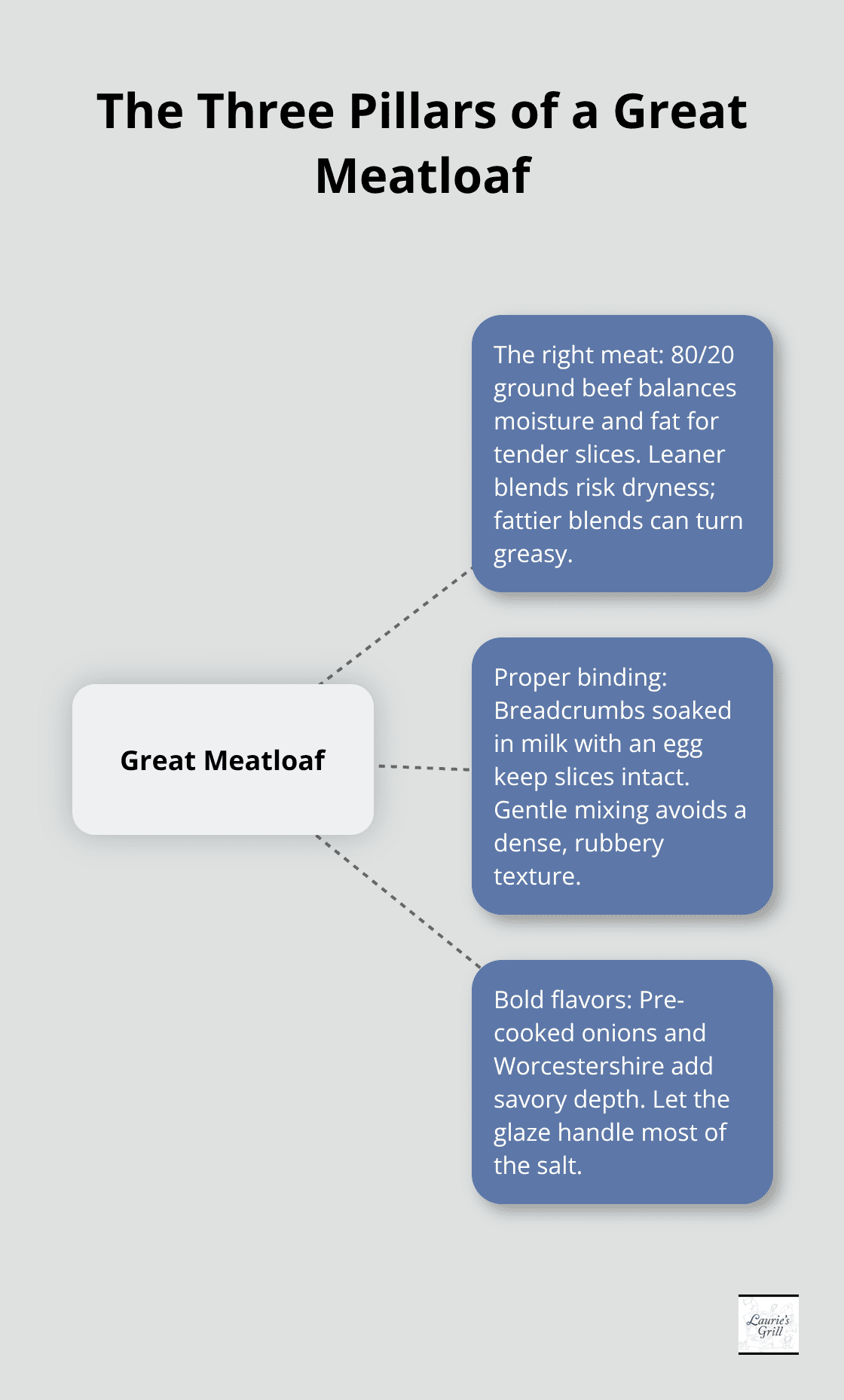
The difference between a meatloaf that falls apart on the plate and one that slices cleanly comes down to three things: the right meat, proper binding, and bold flavors. Start with 80/20 ground beef-this ratio delivers both moisture and enough fat to keep the loaf tender. Leaner beef like 90/10 dries out during baking, while fattier blends make the finished dish greasy. You need 1 pound of ground beef to yield about seven slices, which means a 1.5-pound loaf feeds a family of four with leftovers.
Ask your butcher for freshly ground meat if possible rather than relying on pre-packaged beef that’s been sitting in the case.
The Binding Structure That Holds Everything Together
The binding structure matters just as much as the meat itself. Breadcrumbs soaked in milk create moisture and hold everything together-the milk hydrates the crumbs so they act as a sponge throughout baking. For every pound of meat, use about half to three-quarters of a cup of breadcrumbs, combined with one egg and a quarter cup of milk. Mix these ingredients together, then add your beef and combine gently until just combined; overmixing creates a dense, tough loaf that tastes more like a hockey puck than home cooking.
Getting the Seasoning Right
Finely minced onion adds flavor depth and prevents the raw onion taste that ruins meatloaf. Pre-cook your onions until tender so they soften into the loaf rather than staying crunchy. Worcestershire sauce provides umami that makes people ask for seconds without knowing why. Garlic powder, dried parsley, and black pepper round out the base, but here’s the strong opinion: skip the salt in the meat mixture and rely on the glaze to season the loaf. Too much salt in the raw mixture tightens the proteins and makes slicing difficult.
The Glaze That Seals in Flavor
The glaze-ketchup, brown sugar, and red wine vinegar-adds the tangy sweetness that defines a proper meatloaf. This combination caramelizes during the final fifteen minutes of baking, creating a glossy, flavorful crust that seals in moisture. The brown sugar isn’t just sweetness; it aids caramelization and balances the beef’s savory depth. If you want less sweetness, reduce the sugar, but don’t skip it entirely. With your ingredients selected and your flavors balanced, you’re ready to move into the actual preparation-mixing, shaping, and baking your loaf to perfection.
Mixing, Shaping, and Baking Your Meatloaf
Combining Your Ingredients Without Overworking the Meat
The moment you combine your ingredients determines whether your meatloaf stays intact or crumbles on the plate. Place your breadcrumb and milk mixture in a large bowl for about two minutes so the breadcrumbs fully absorb the liquid. Add your pre-cooked onions, egg, Worcestershire sauce, garlic powder, dried parsley, and black pepper to this wet base. Then add your 80/20 ground beef. Here’s where most home cooks fail: they knead the mixture like dough, which overworks the proteins and creates a dense, rubbery texture. Instead, use your hands to gently fold the beef into the wet ingredients until everything is just combined. The moment you see no streaks of raw beef, stop. This takes about one minute of actual mixing.
Shaping and Preparing Your Loaf Pan
A loaf pan yields the best results because it contains the glaze and keeps the meat from spreading too thin, which would cause uneven cooking and moisture loss. If you prefer a crispier exterior, line a rimmed baking sheet with foil and shape your loaf directly on it, but expect slightly drier edges. Press your mixture firmly into the loaf pan so it holds together during baking, then smooth the top with wet hands to create an even surface. Spread your glaze mixture evenly across the top before the loaf goes into the oven.
Baking Times and Temperature Guidelines
Bake at 350°F for 55 minutes, checking the internal temperature with a meat thermometer at the thickest point. Try for 160°F, which indicates the beef is fully cooked without drying out. Once you remove the meatloaf from the oven, let it sit in the pan for 8 to 10 minutes.
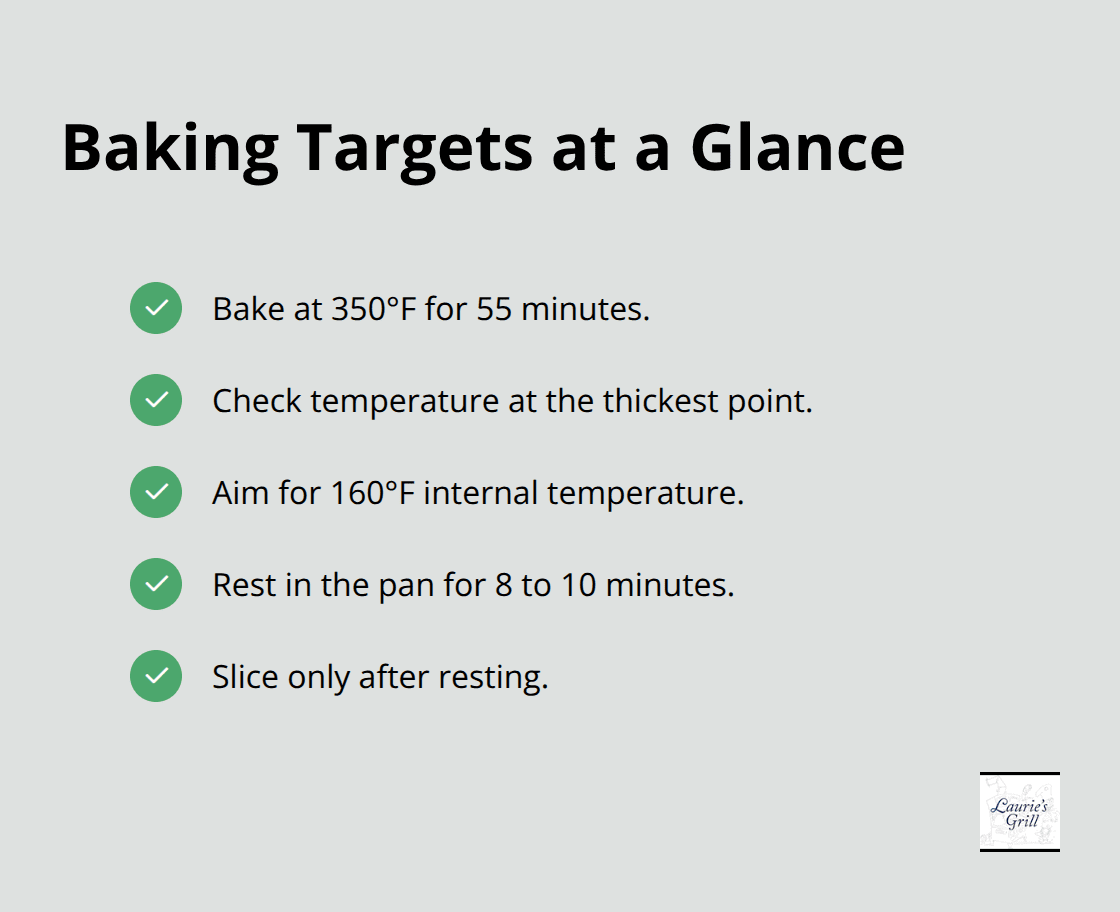
This resting period allows the juices to redistribute throughout the loaf, making slices hold together cleanly instead of falling apart. Resist the urge to cut into it immediately, even though the aroma is overwhelming.
Moving Forward with Toppings and Sides
With your meatloaf perfectly baked and rested, you’re ready to plate it alongside the right toppings and sides that transform a simple loaf into a complete family meal.
What to Serve Alongside Your Meatloaf
Vegetables That Transform Your Plate
The glaze seals in moisture, but what you serve on the plate next to the meatloaf determines whether dinner feels complete or leaves people wanting more. Skip mashed potatoes if you’ve served them three times this month-roasted vegetables deliver better nutrition and more interesting textures. Carrots, Brussels sprouts, and zucchini roasted at 400°F for 20 minutes alongside your meatloaf develop caramelized edges that contrast beautifully with the soft, glazed loaf. Green beans steamed for 6 minutes or sautéed with garlic add brightness without heaviness. A crunchy side like coleslaw or a simple cucumber-tomato salad cuts through the richness of the beef and glaze, making each bite feel fresher.
Hearty Sides That Stretch Your Servings
Legume-based sides such as baked beans or a lentil salad boost protein and fiber while stretching your servings further-a 1.5-pound loaf feeds six people comfortably when paired with hearty sides. Grain options like brown rice, quinoa, or farro round out the plate and ensure everyone leaves satisfied. Time your sides strategically: chop and season vegetables 30 minutes before baking so you can roast them on a separate sheet pan in the same oven while the meatloaf cooks. This approach eliminates juggling multiple pans and means everything finishes hot at the same time.
Storing and Reheating Leftovers Properly
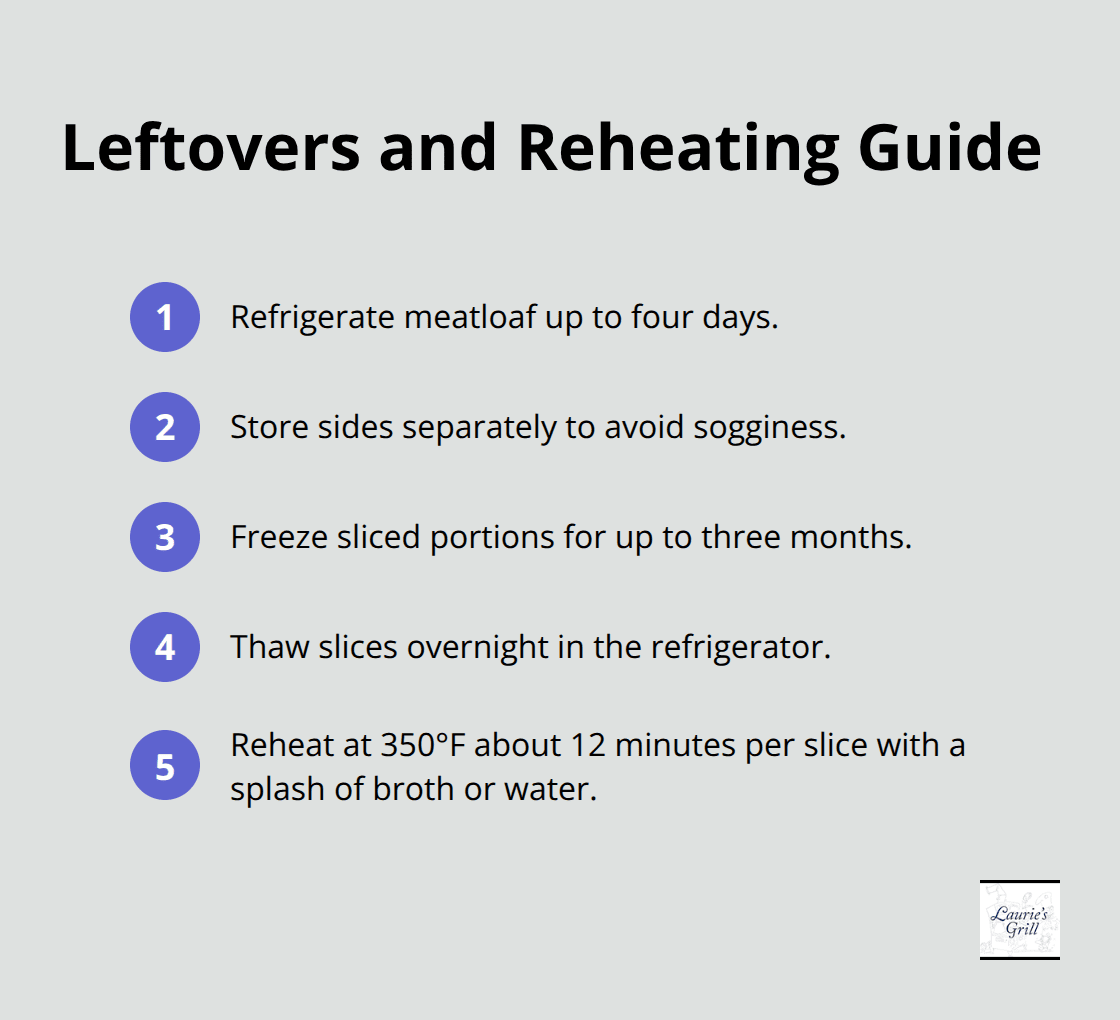
Leftovers matter more than most home cooks realize-proper storage determines whether day-two meatloaf tastes fresh or dried out. Refrigerate cooked meatloaf and sides in separate containers so you can reheat them independently without sogginess; meatloaf stays fresh up to four days in the refrigerator. Slice the loaf before freezing to create individual portions that thaw overnight in the fridge rather than sitting there for days. Frozen meatloaf slices last three months and reheat beautifully in a 350°F oven with a splash of broth or water to restore moisture (about 12 minutes per slice).
Leftovers transform into excellent patty melts when placed between bread with melted cheese and a thin spread of mayo, turning yesterday’s dinner into tomorrow’s lunch.
Final Thoughts
Meatloaf endures because it delivers comfort without pretense. A simple meatloaf recipe feeds your family affordably, requires minimal technique, and tastes better the next day than it does fresh from the oven. The beauty lies in its flexibility-this isn’t a dish that demands perfection or expensive ingredients.
Customization transforms meatloaf from routine to personal. Swap ground beef for ground turkey or pork, adjust the glaze sweetness to your preference, or add finely chopped bell peppers and mushrooms to the meat mixture for extra texture. Some families prefer their glaze tangy; others want it sweeter, and your household should eat what it actually enjoys rather than what a cookbook dictates.
A 1.5-pound loaf takes roughly 10 minutes to assemble and 55 minutes to bake, meaning you can have a complete family meal on the table in just over an hour. Leftovers reheat beautifully and transform into sandwiches or quick lunches throughout the week. If you want to experience this classic dish prepared by professionals, visit Laurie’s Grill in Bend, Oregon, where we focus on authentic American comfort food.
Recent Comments