
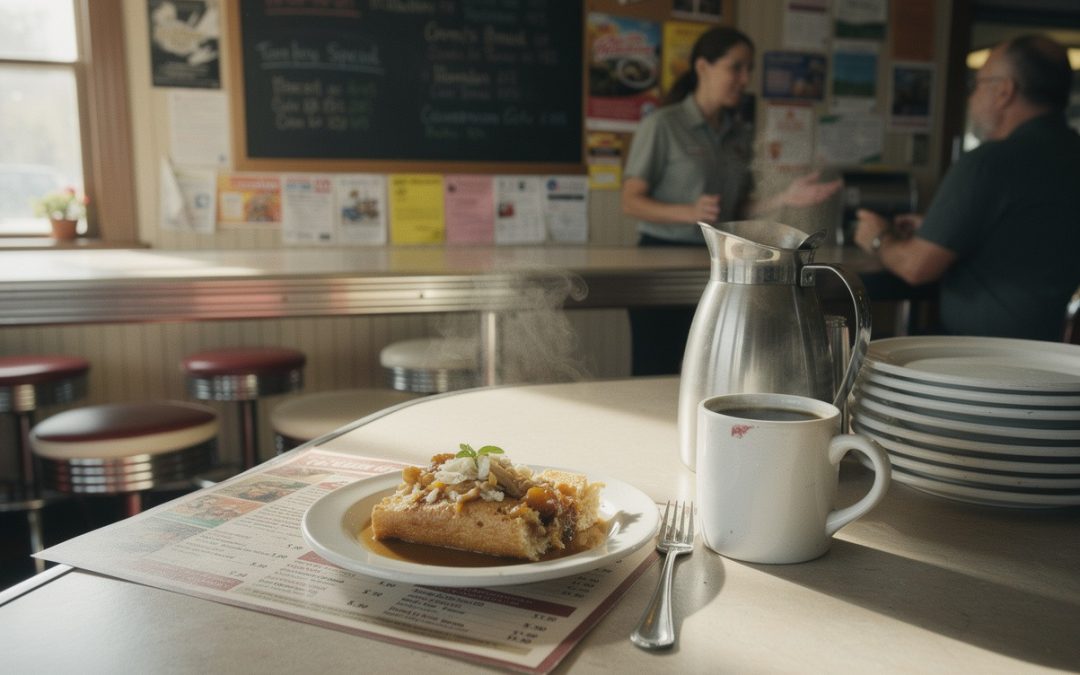
Bend’s local favorites aren’t just places to grab a meal-they’re the backbone of our community. These neighborhood diners have fed generations, hosted first dates, and witnessed countless celebrations around their worn wooden tables.
At Laurie’s Grill, we know what makes these spots irreplaceable. The real magic happens when you walk through the door and feel like you belong.
Why Bend’s Diners Are Where Community Actually Happens
Local diners in Bend aren’t just restaurants-they’re the places where neighbors become friends, where business deals happen over coffee, and where families mark their milestones. McKay Cottage Restaurant offers breakfast that keeps people returning for more than food. They return for belonging. Jackson’s Corner, housed in a historic home, transforms a simple meal into an experience that feels personal. When you walk into these spaces, the staff knows your name. They remember your regular order. They ask about your kids. This social fabric separates a diner from a fast-casual chain.
The difference between grabbing something quick and actually dining at a local spot comes down to the human element. Bend’s dining landscape has evolved dramatically from a challenge to find good food into a Portland-like culinary hub, and local diners led that transformation by staying true to their mission: feed people well and make them feel valued.
Home-Cooked Meals That Cost Less and Taste Better
The economics of local diners favor your wallet while delivering superior quality. Jake’s Diner Bend demonstrates this perfectly-unbeatable prices paired with generous portions encourage customers to take leftovers home, boosting perceived value. This isn’t a loss leader strategy; it’s a commitment to family-owned service as a differentiator from chain fast-food options.
When you order at McKay Cottage or Jackson’s Corner, you receive meals made fresh to order, not reheated from a central kitchen. The strawberry crepe with vanilla custard at McKay Cottage or the biscuits and gravy at Jackson’s Corner cost significantly less than similar quality at upscale restaurants, yet the care invested in each plate remains identical. This pricing structure matters because it means regular people can afford to dine out multiple times weekly without financial strain.
What Sets Local Diners Apart From Chain Restaurants
Staff at neighborhood diners treat you as a regular from your first visit. They remember preferences, anticipate orders, and create an atmosphere that chains simply cannot replicate. The personal touch transforms a transaction into a relationship. You’re not a ticket number-you’re part of the community.
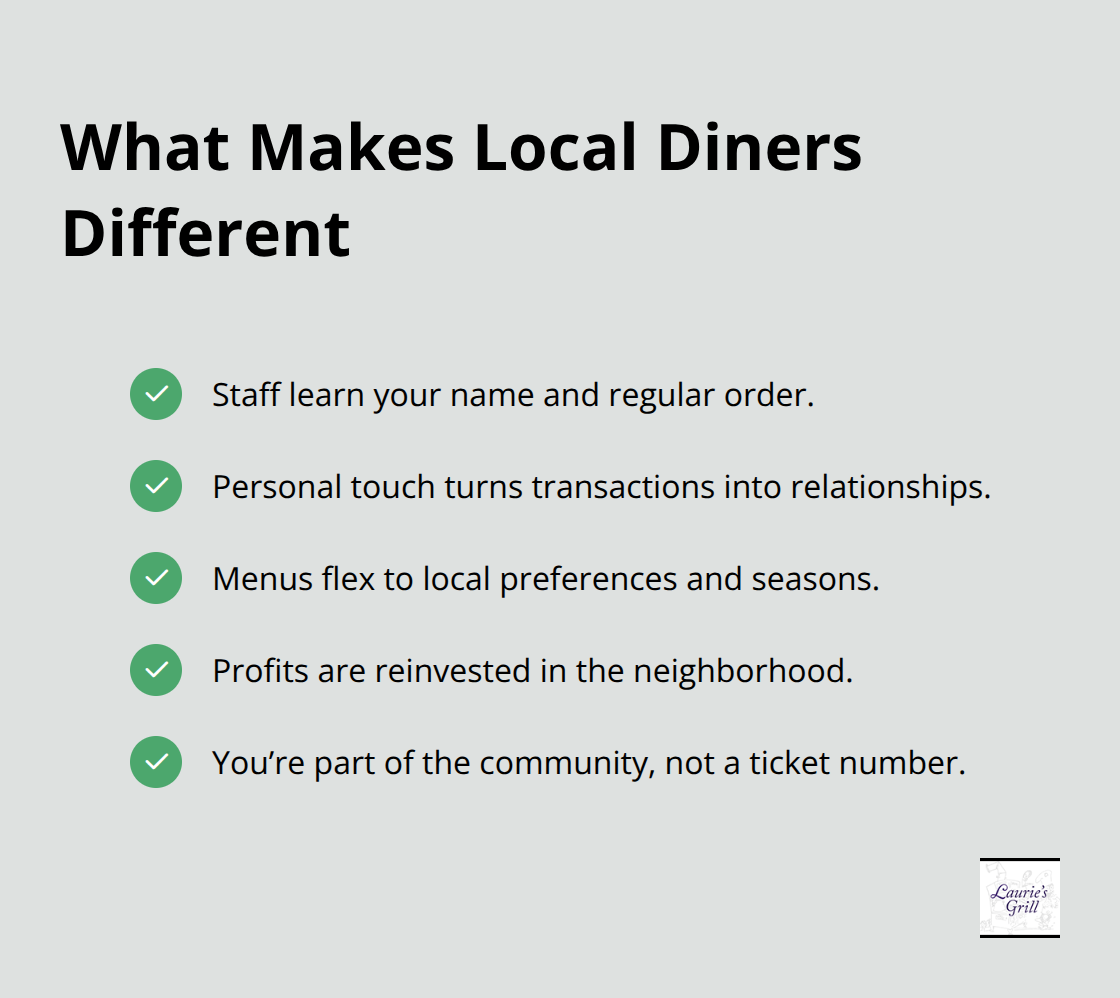
Family-owned restaurants operate with different priorities than corporate chains. They reinvest profits into their neighborhoods, hire local staff, and adapt their menus based on what their actual customers want. This flexibility allows them to respond to seasonal ingredients, local preferences, and community feedback in ways that national operations cannot match.
Why Breakfast All Day Matters in Bend
All-day breakfast lets diners serve comfort foods anytime, boosting convenience, menu variety, and customer satisfaction. People work irregular shifts. Parents juggle multiple schedules. Shift workers need breakfast at midnight. Diners that offer breakfast all day acknowledge this reality and accommodate it without judgment or attitude.
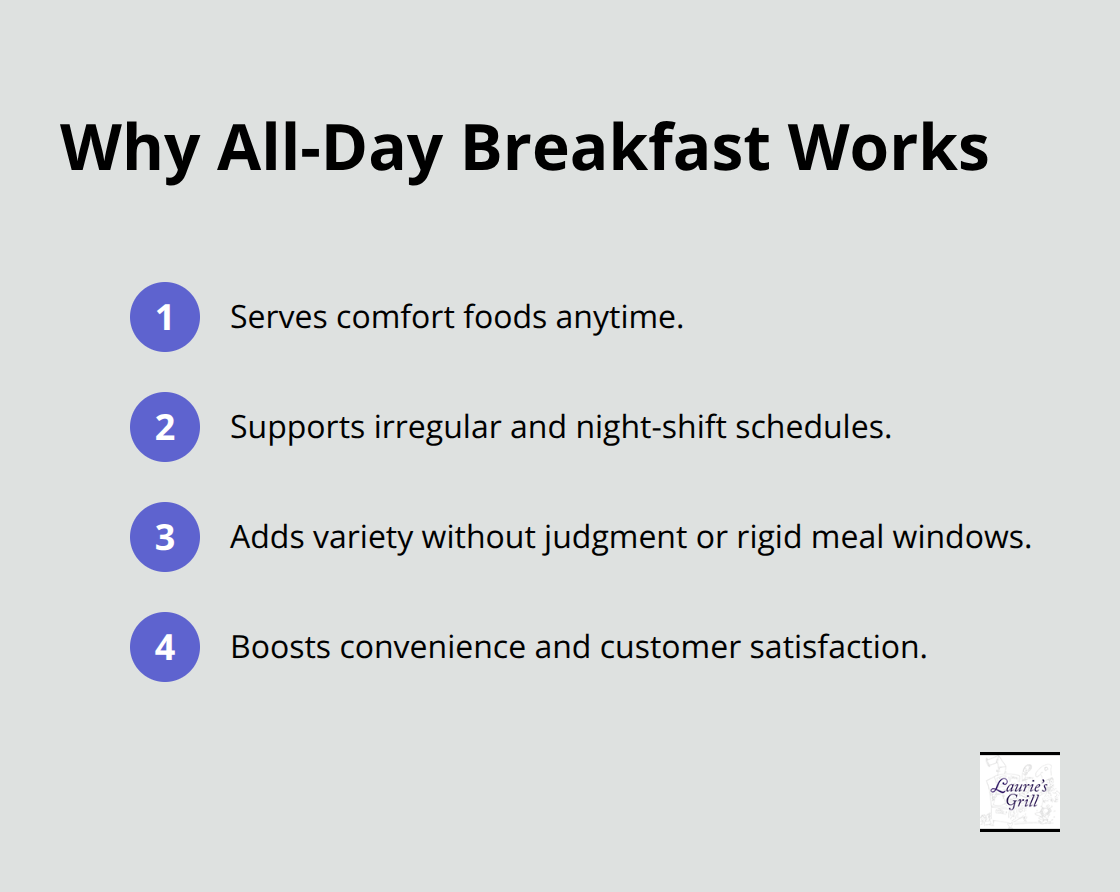
This flexibility extends beyond breakfast items. It signals that the restaurant exists to serve the community’s actual needs, not to force customers into predetermined meal windows. When you can order eggs and toast at 6 p.m. or a burger at 8 a.m., the diner adapts to you rather than the reverse.
The Economics of Loyalty
Local diners build loyalty through consistency and value. McKay Cottage’s tenure proves that customers return when they trust the quality and feel respected. Jake’s Diner’s approach of generous portions and fair prices creates repeat visits that sustain the business through economic fluctuations.
This loyalty cycle benefits everyone. Customers save money while eating better. Staff members build careers rather than cycling through jobs. Owners reinvest in their spaces and their communities. The neighborhood strengthens as these gathering places remain stable anchors on the local landscape.
Finding Your Favorite Spot
Bend’s neighborhood diners each offer distinct personalities and specialties. McKay Cottage excels at breakfast. Jackson’s Corner combines comfort food with a historic setting. Jake’s Diner delivers homestyle cooking at prices that make frequent visits realistic. Your next favorite diner awaits discovery-the one where staff will eventually know your name and your order, where you’ll celebrate wins and process losses over familiar meals, where you’ll belong.
How Bend’s Family Diners Became Neighborhood Anchors
Bend’s diner culture didn’t emerge from corporate strategy or franchise expansion. It grew from people who built restaurants from dreams rooted in genuine passion for the business. McKay Cottage Restaurant has operated since 2010 as a breakfast destination, proving that longevity comes from consistency rather than trend-chasing. Jackson’s Corner operates from a historic home, deliberately choosing architectural authenticity over modern efficiency. These restaurants made deliberate decisions to stay small, stay local, and reinvest profits into their neighborhoods rather than extract wealth.
How Local Ownership Strengthens Communities
When family-owned restaurants thrive in Bend, they hire local staff who build careers instead of cycling through jobs. They source from local suppliers when possible. They sponsor youth sports teams and community events. They hold fundraisers for schools and nonprofits.
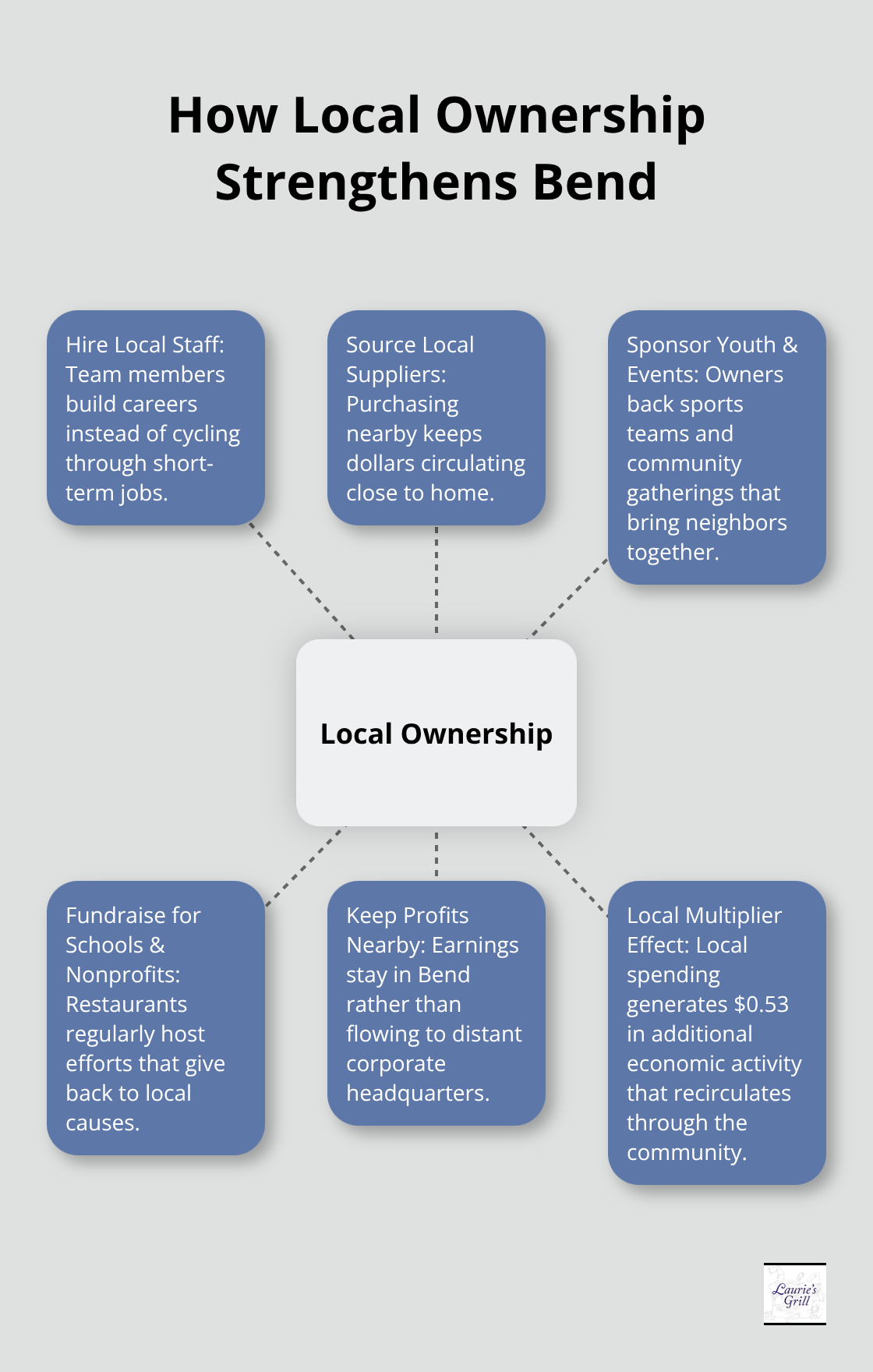
This economic circulation strengthens neighborhoods in measurable ways that chains cannot replicate because their profits flow to distant corporate headquarters. Local spending generates $0.53 in additional economic activity through the local multiplier effect, meaning your dollars recirculate through your community far more than money spent at national chains.
The Difference Between Trend-Chasing and Staying True
What separates Bend’s surviving diners from restaurants that closed is their refusal to chase trends or sacrifice quality for speed. Jake’s Diner Bend demonstrates this through homestyle cooking made fresh to order, not reheated from a central kitchen. The strawberry crepe with vanilla custard at McKay Cottage or the biscuits and gravy at Jackson’s Corner represent recipes developed over decades, refined through thousands of customer interactions, not corporate testing kitchens.
Building Relationships That Last
These owners know their customers’ names, dietary restrictions, and life circumstances. They adjust portion sizes for elderly customers on fixed incomes. They extend credit during hard times. They celebrate births and mourn losses alongside their regulars. This isn’t sentimentality; it’s sustainable business practice. Customers who feel genuinely known return multiple times weekly, generating predictable revenue that allows owners to weather economic downturns.
Why Personal Connection Matters More Than Convenience
Bend’s diner culture survives because these restaurants solved a problem that chains never will: they made people feel like they belong somewhere specific, not just anywhere convenient. This sense of belonging transforms how customers view their neighborhood. Regular diners become invested in the restaurant’s success. They recommend the spot to friends and family. They defend it against competition. They mourn when a beloved diner closes. This emotional investment creates stability that transcends economic cycles. As you explore Bend’s neighborhood dining scene, you’ll discover that the restaurants thriving today share one trait: they prioritized their community’s actual needs over maximizing profit margins. That commitment to place and people is what separates a diner from a restaurant, a gathering spot from a transaction.
Why Comfort Food and All-Day Breakfast Built Bend’s Diner Culture
All-Day Breakfast Meets Real-World Schedules
Bend’s diners thrive because they serve food that matters at prices that make sense. All-day breakfast isn’t a gimmick-it’s a recognition that people work night shifts, irregular schedules, and unpredictable hours. When McKay Cottage or Jackson’s Corner serve eggs at dinner, they acknowledge that their customers’ lives don’t fit corporate meal windows. This flexibility creates genuine convenience that chains struggle to match.
The economics work because comfort food requires minimal waste. A diner kitchen built around eggs, hash browns, burgers, and sandwiches operates efficiently without expensive inventory management or complex supply chains. This operational simplicity allows owners to maintain lower prices while preserving quality.
Recipes That Survive Decades
The signature dishes at Bend’s diners aren’t trendy innovations-they’re recipes refined through decades of customer feedback and thousands of meals served. The strawberry crepe with vanilla custard at McKay Cottage, the biscuits and gravy at Jackson’s Corner, and the homestyle cooking at Jake’s Diner represent institutional knowledge that new restaurants cannot replicate quickly. These meals create lasting memories because they connect to specific moments in people’s lives.
A regular customer associates a particular booth with a marriage proposal, a business deal, or a conversation with a parent before they passed. The food becomes inseparable from the memory. This emotional anchoring explains why people defend their favorite diner so fiercely and return multiple times weekly.
Generous Portions, Predictable Loyalty
Jake’s Diner’s generous portions and fair pricing prove that customers will visit repeatedly when they trust both the quality and their wallet. This approach creates predictable revenue through loyalty rather than volume. Customers who feel satisfied financially and emotionally return multiple times weekly, generating stable income that allows owners to weather economic downturns.
Bend’s neighborhood diners understand that comfort food satisfies more than hunger-it satisfies a need for consistency, belonging, and familiarity in an increasingly chaotic world. The meals served at these establishments (from simple eggs to elaborate club sandwiches) anchor people to their community in ways that fast-casual chains never will. When someone orders the same dish repeatedly, they’re not just eating; they’re participating in a ritual that defines their relationship to their neighborhood.
Final Thoughts
Bend’s local diners represent something increasingly rare: spaces where community actually happens. These neighborhood restaurants thrive because they prioritize people over profit margins, consistency over trends, and belonging over convenience. Every dollar spent at a family-owned diner circulates through Bend’s economy far more effectively than money spent at chains, as local owners hire local staff, source from local suppliers, and reinvest profits into their communities.
We at Laurie’s Grill operate from the same principles that define Bend local favorites. Our famous club sandwich and all-day breakfast reflect our commitment to home-style cooking at affordable prices, paired with a warm atmosphere that feels like home. Visit us at lauriesgrill.restaurant to experience what makes neighborhood dining irreplaceable.
Your next favorite diner awaits-the place where staff will know your name, where ordinary meals become lasting memories, and where you’ll eventually belong.

Recent Comments