
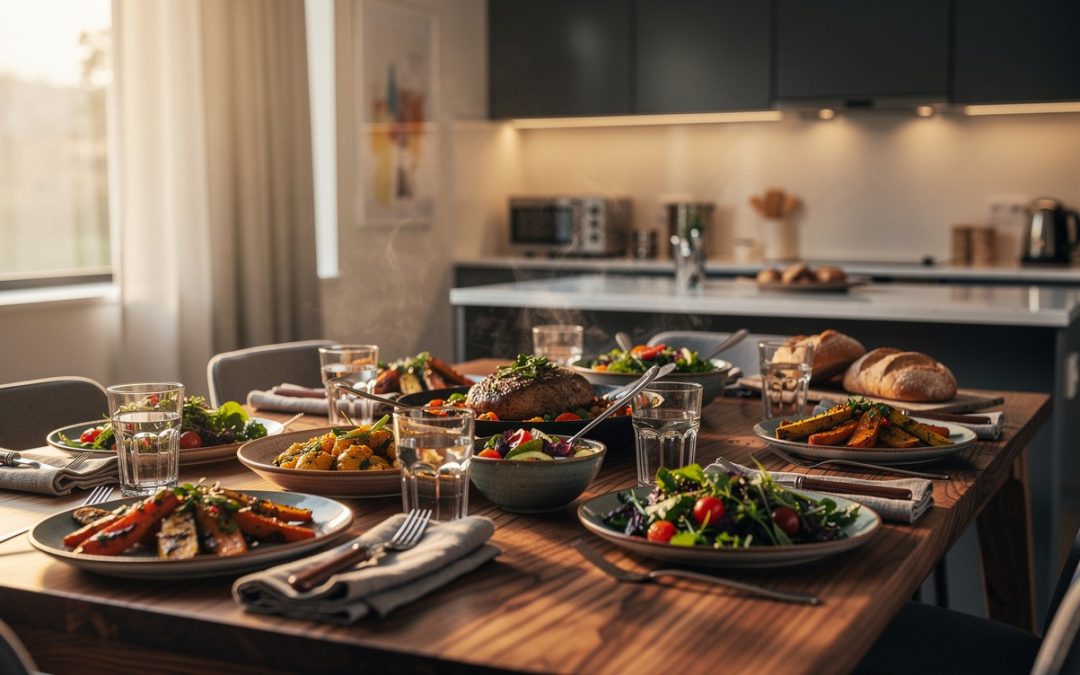
Homestyle dinner recipes in Bend don’t have to be complicated. At Laurie’s Grill, we believe the best meals come from simple ingredients and straightforward techniques that any home cook can master.
This collection of family recipes will show you how to build a kitchen full of dishes that bring people together around the table.
What Makes Homestyle Cooking Worth Your Time
The best homestyle dinners in Bend come from recipes that have survived decades because they work. These aren’t complicated dishes requiring specialty equipment or hard-to-find ingredients. Pot roast, mashed potatoes, beef stew, and chicken and dumplings remain popular because they deliver consistent results with pantry staples like beef, chicken, potatoes, and vegetables. A pot roast made in a Dutch oven provides about 23 grams of protein and 17 grams of fat per three-ounce serving, making it a complete meal when paired with a simple vegetable. The appeal isn’t nostalgia alone-it’s efficiency. Slow-cooker versions of classic dishes like short ribs or chicken and dumplings require minimal prep work and produce tender, flavorful results after hours of unattended cooking. This approach suits Bend families juggling work, school, and activities. One-pot meals eliminate cleanup frustration, which matters more than any recipe trend.
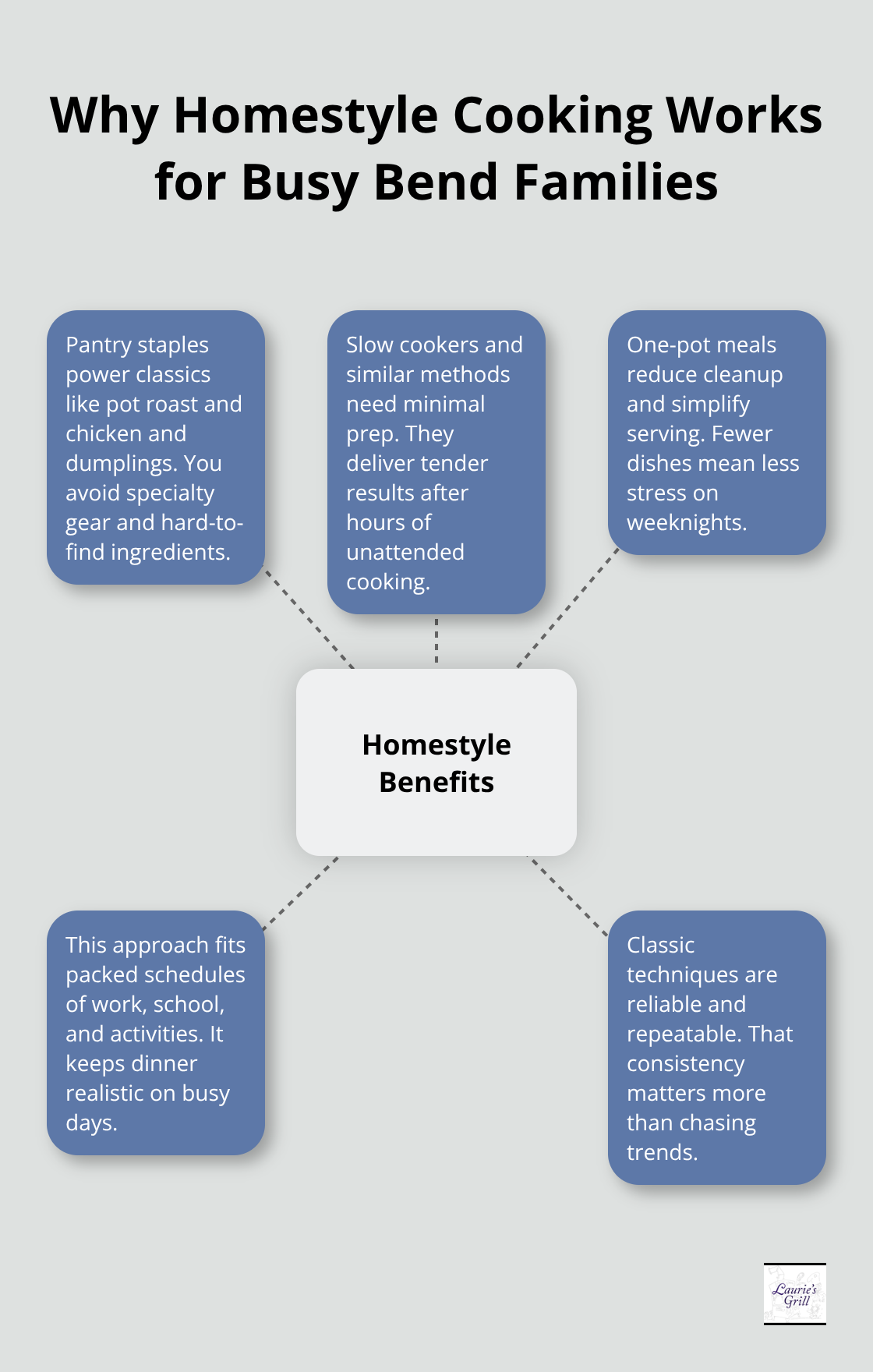
Why Simplicity Beats Complexity in the Kitchen
Home cooks often overthink family dinners. You don’t need restaurant techniques or expensive ingredients to feed people well. Green bean casserole delivers 163 calories and 2 grams of protein per three-quarter cup serving using canned green beans, cream of mushroom soup, and fried onions-ingredients most households already stock. Old-fashioned macaroni and cheese requires just pasta, butter, milk, and cheese to produce a dish with 267 calories and 12 grams of protein per cup. These recipes work because they balance flavor with accessibility. Stuffed bell peppers, at 430 calories and 30 grams of protein per pepper, combine ground meat with rice and vegetables in one vessel. The sodium content runs high in some dishes-Salisbury steak contains 1,960 milligrams per serving-but that’s information you can adjust by reducing added salt during cooking. Understanding nutrition facts per serving empowers you to make informed choices rather than guessing at portion sizes.
Build a Rotation of Meals That Actually Stick
Successful home cooks don’t master fifty recipes. They perfect five to seven dishes and rotate them throughout the month. This approach reduces decision fatigue and builds confidence in the kitchen. Beef cabbage soup at 116 calories per cup, apple cider beef stew at 330 calories per cup, and slow-cooked chicken a la king at 174 calories per cup offer variety in flavor and nutrition without requiring you to learn entirely new techniques. The recipes that survive generations do so because families return to them repeatedly. Creamy celery beef stroganoff, crown roast of pork, and pot roast all share common elements-slow cooking, affordable cuts of meat, and vegetables that soften during extended cooking times. Make-ahead strategies matter too. Green bean casserole can be prepared, refrigerated, and baked when needed, which simplifies hosting or managing weeknight stress. Test Kitchen Approved labels on recipes signal that home cooks have already tested and verified these dishes work reliably, removing uncertainty from your cooking.
Start Your Collection With What Works
Once you identify the five to seven recipes that fit your family’s tastes and schedule, you can build confidence in the kitchen. These core dishes become your foundation. You’ll find that mastering a few reliable recipes opens the door to variations and adaptations. A simple beef stew becomes the base for pot pie filling. Mashed potatoes transform into shepherd’s pie. The techniques you learn from one dish transfer directly to the next. This is where your kitchen truly comes alive-not with complexity, but with the freedom that comes from knowing what works. The next step involves exploring how to adapt these classics to match Bend’s diverse food culture and your family’s unique preferences.
Breakfast Worth Waking Up For
Breakfast at home beats grabbing something on the way to work, yet most Bend families rush through mornings without a real plan. German pancakes deliver 477 calories per serving with a complete nutritional profile, transforming a simple batter into something impressive without requiring special skills. French toast follows the same logic-eggs, bread, and butter create a complete protein when you use whole grain bread instead of white. The difference between a mediocre morning and one that sets your day right comes down to preparation, not complexity.
Simple Recipes That Deliver Real Nutrition
Mimi’s Bagel Deli in Bend proves that carbs, protein, and fat combine into something satisfying with their Everything Bagel paired with egg and hash browns. This combination actually keeps you full until lunch. Monagon’s Famous French Toast at Laurie’s Grill demonstrates that this breakfast standard deserves respect as a real meal, not a weekend indulgence. The key is treating breakfast ingredients the same way you treat dinner-with intention and proper ratios of protein, fat, and carbohydrates.
Prep Sunday, Eat Well All Week
Batch cooking breakfast on Sunday transforms weekday mornings from stressful to manageable. Cook a dozen pancakes or pieces of French toast, refrigerate them, and reheat individual portions in your toaster each morning in under two minutes. Scrambled eggs don’t batch well, but soft-boiled eggs prepared Sunday evening stay fresh for four days in the refrigerator and pair with toast or bagels for quick assembly. Hash browns freeze beautifully when cooked slightly underdone, then crisped in a skillet during busy mornings.
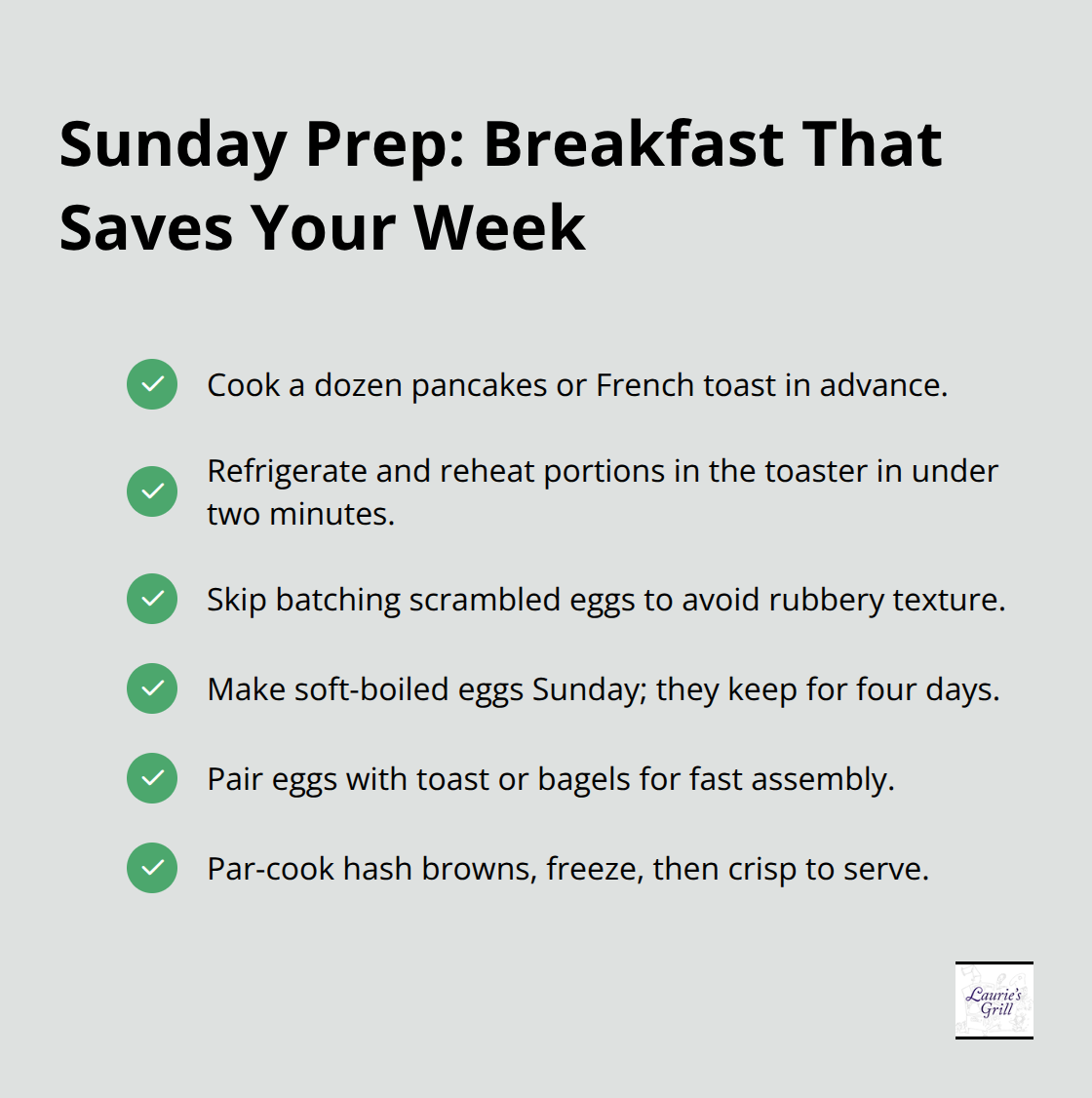
Most families overthink breakfast by assuming every morning requires cooking from scratch. Instead, treat Sunday evening as your breakfast prep session-the same way restaurants do. This single habit eliminates the decision fatigue that leads to drive-through breakfasts on Tuesday and Wednesday. Your goal isn’t perfection; it’s having reliable options ready when time is short and hunger is real.
The foundation you build with breakfast prep carries forward into how you approach dinner planning. Once you master the rhythm of preparing components ahead of time, you can apply those same strategies to heartier meals that feed your entire family.
Dinner Without the Stress
Dinner in Bend doesn’t require hours in the kitchen or a shopping list of specialty ingredients. The most reliable approach involves choosing a protein, adding vegetables, and letting time do the work. Beef stew delivers 330 calories and 24 grams of protein per cup when made with apple cider, and it improves as it sits overnight because flavors deepen during refrigeration. Pot roast made in a Dutch oven provides 459 calories and 37 grams of protein per three-ounce serving, with vegetables that cook alongside the meat, eliminating side dishes entirely.
Proteins That Work Harder Than You Do
Short ribs in a slow cooker require five minutes of prep and eight hours of hands-off cooking, producing meat so tender it falls from the bone. Chicken and dumplings work the same way, whether prepared in a slow cooker or pressure cooker depending on how much time you have available. Crown roast of pork contains 404 calories and 45 grams of protein per rib with stuffing, making it substantial enough to anchor an entire meal without additional sides. Salisbury steak delivers 581 calories and 41 grams of protein per steak, though the sodium content reaches 1,960 milligrams per serving, so reduce added salt if sodium matters for your household.
The real advantage of these meals isn’t nostalgia but mathematics: fewer dishes, shorter active cooking time, and built-in protein and vegetables mean less decision-making about what else to serve.
Sauces and Stroganoffs That Simplify Everything
Creamy celery beef stroganoff at 405 calories and 33 grams of protein per cup requires minimal prep once you understand the basic technique of browning meat, building a sauce, and simmering until tender. This same technique applies to chicken a la king, which contains 174 calories and 19 grams of protein per cup and works equally well over rice, toast, or puff pastry depending on what you have available. The best easy family meals strategy involves rotating between three or four main dishes that match your schedule rather than searching for new recipes constantly.
Sides That Don’t Demand Your Attention
Side dishes matter far less than home cooks believe. Green bean casserole provides 163 calories and substantial vegetables in a single dish that can be prepared ahead and baked later, removing the stress of timing multiple components. German red cabbage contains just 64 calories per cup, pairs with nearly any protein, and stores well for three days in the refrigerator. Mashed potatoes don’t require the cream and butter many recipes suggest; simple potatoes, butter, and salt work perfectly when you use a ricer to avoid gluey texture.
One-Pot Meals That Eliminate Cleanup
One-pot meals eliminate the cleanup complaint that stops families from cooking at home. Beef cabbage soup at 116 calories per cup transforms affordable ingredients into a complete meal that tastes better on day two or three after sitting in the refrigerator. Cheeseburger soup, a Bend favorite at restaurants, can be replicated at home by browning ground beef with diced potatoes and onions, adding broth and cream, then finishing with cheese. The sodium content will be high, so taste before adding salt. Turkey corn chowder uses Thanksgiving leftovers or rotisserie chicken from the grocery store, transforming what feels like waste into a second meal that requires minimal cooking.
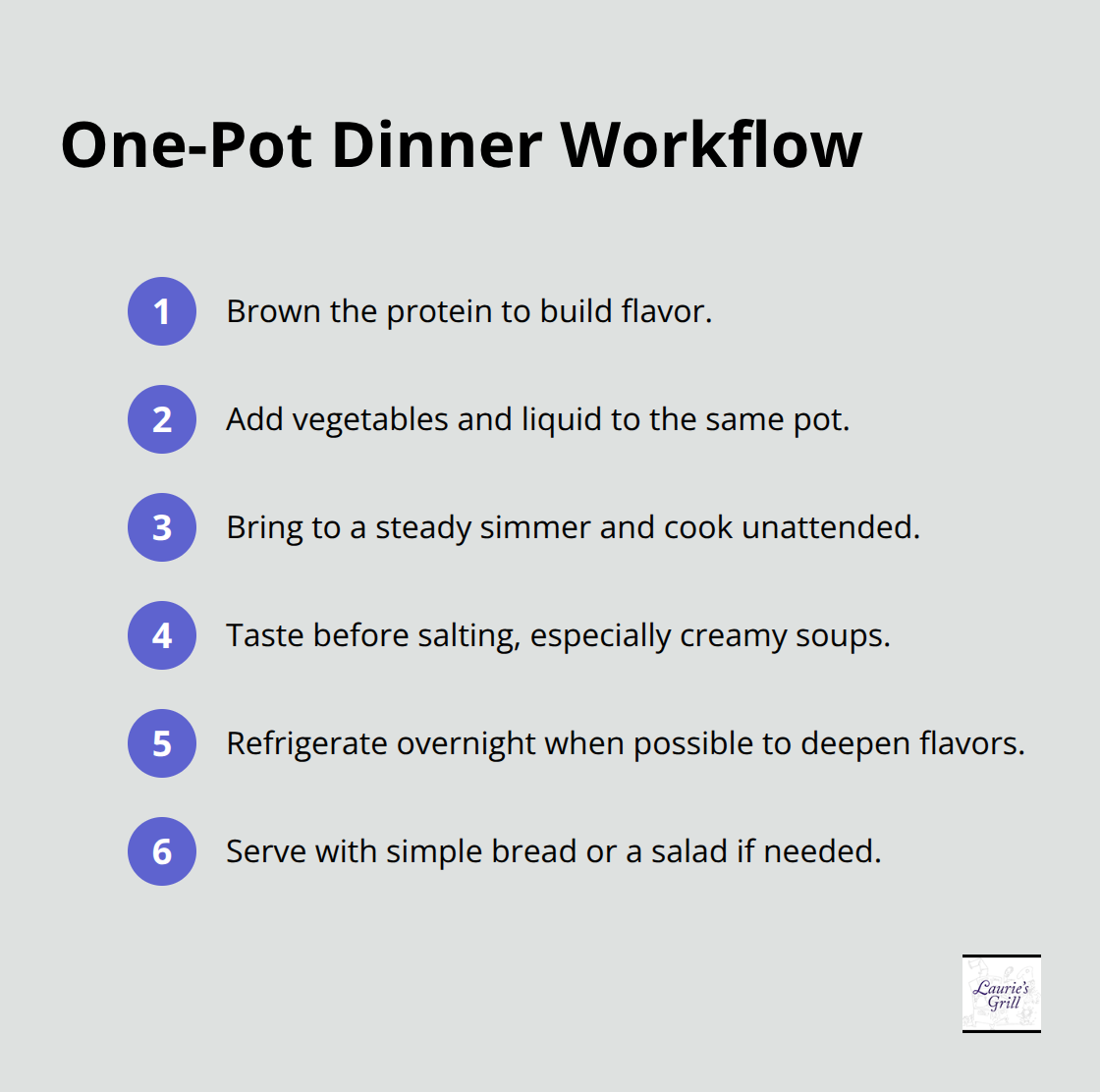
These one-pot approaches work because they simplify your workflow: brown the protein, add vegetables and liquid, bring to a simmer, and walk away until dinner time arrives. The mental load of cooking disappears when you stop thinking about proteins, starches, and vegetables as separate components and instead see them as parts of a single dish.
Final Thoughts
The gap between restaurant meals and home cooking isn’t skill or secret ingredients-it’s confidence. When you order the Triple Decker Club or Monagon’s Famous French Toast at Laurie’s Grill, you taste what happens when someone masters a few dishes and executes them consistently. That same approach works in your kitchen, and homestyle dinner recipes Bend families rely on aren’t complicated because they don’t need to be.
Start with three recipes that match your schedule and preferences, master them over two months, then add one new dish. This method removes the pressure of learning fifty recipes and replaces it with the satisfaction of knowing exactly what will work on Tuesday night when you’re tired. Your family will notice the difference between rushed meals and intentional cooking, even if they can’t articulate why.
Cooking at home connects you to your community in ways that takeout never will. When you prepare beef cabbage soup or chicken and dumplings, you participate in a tradition that spans generations and neighborhoods (from comfort dishes served at local restaurants to family recipes shared among neighbors). Your kitchen becomes the place where people gather because they know they’ll find warmth, good food, and attention to what matters.

Recent Comments