
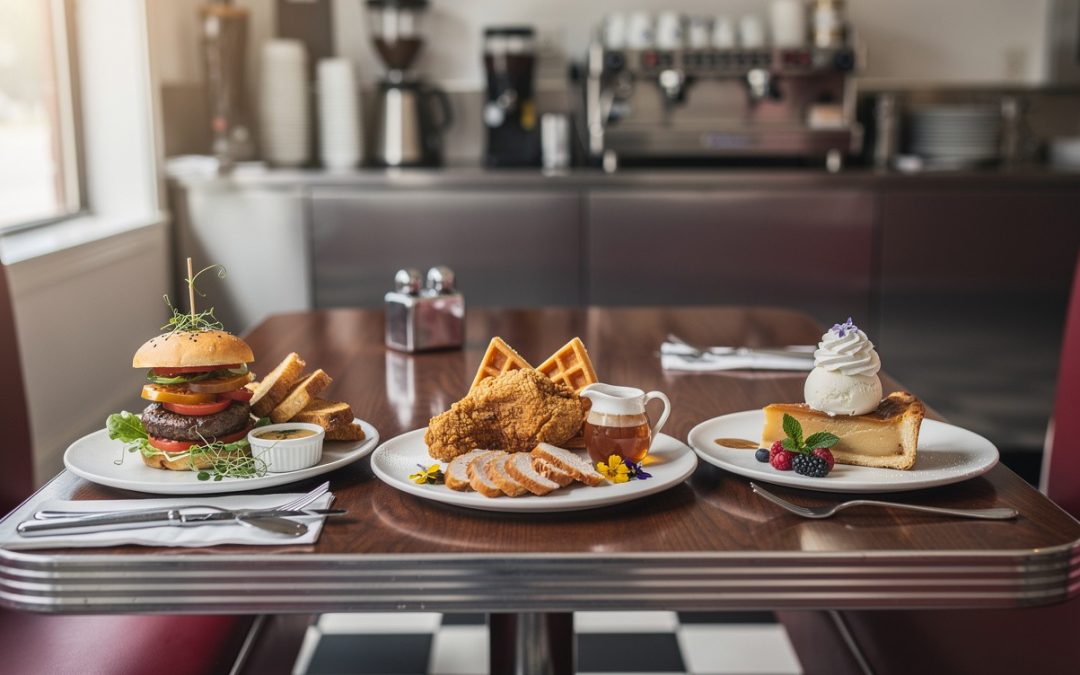
Diner food has a way of sticking with us. The meatloaf, the milkshakes, the comfort of a booth at the counter-these aren’t just meals, they’re memories.
At Laurie’s Grill, we’ve watched Bend diner classics evolve while staying true to what made them special in the first place. Simple ingredients, honest cooking, and a space where everyone belongs.
Why Diner Food Never Goes Out of Style
The Comfort Food Advantage
Nostalgia sells, but it’s not the only reason diner food endures. Comfort food provides emotional benefits that keep people coming back, particularly during challenging times. What keeps people coming back isn’t just memory, though that matters. It’s the combination of affordability, consistency, and the fact that diner cooking strips away pretense.
A meatloaf at a diner costs between $12 and $16 in most markets, while the same dish at a farm-to-table restaurant runs $28 to $35. You get the same satisfaction, often with better ingredients, for half the price. This pricing power matters more now than ever.
Inflation Makes Diners the Smart Choice
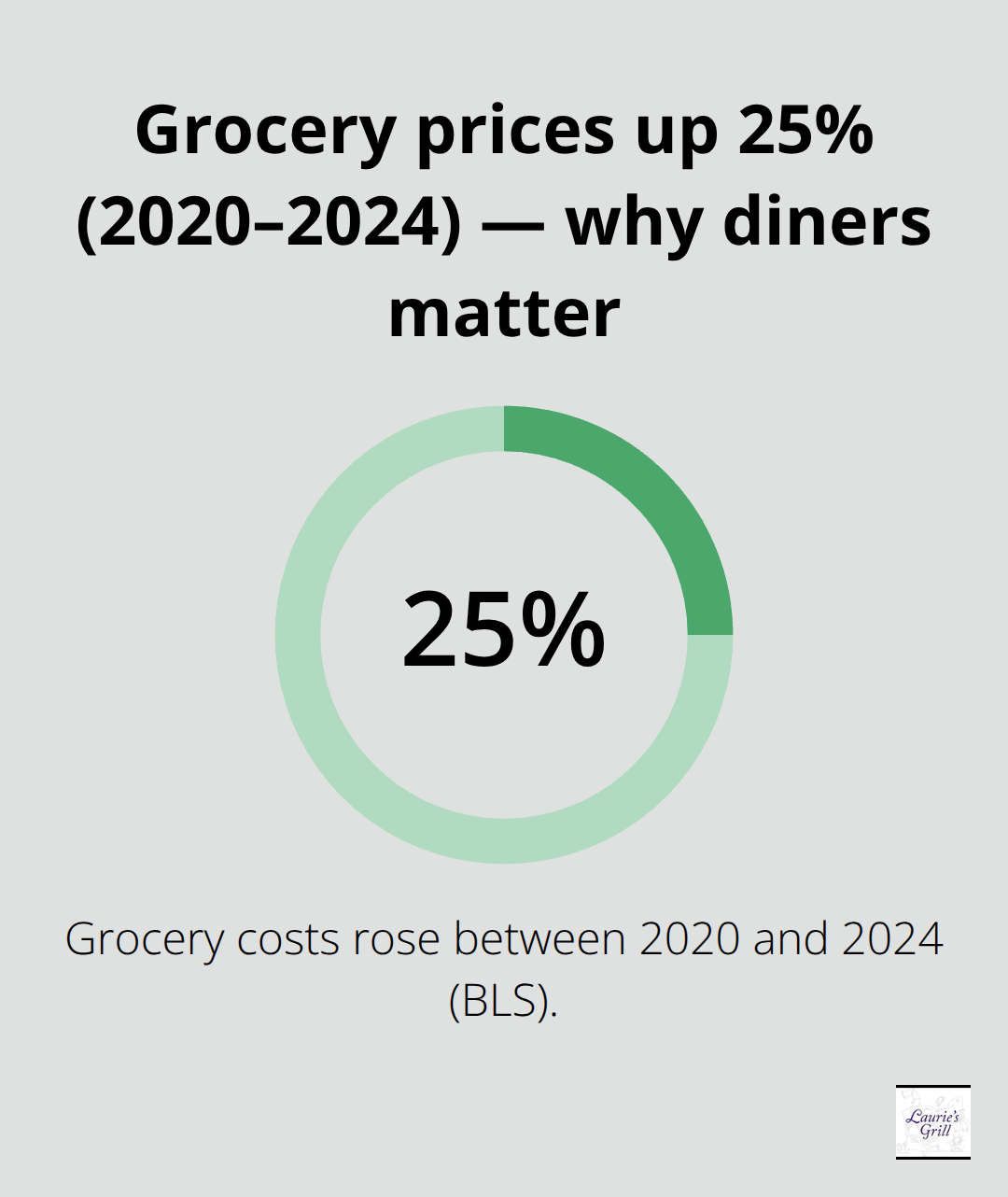
With inflation pushing grocery costs up 25% between 2020 and 2024 according to the Bureau of Labor Statistics, diners have become the accessible alternative to fine dining without sacrificing quality. Families stretched thin by rising expenses turn to diners because they deliver real value without compromise.
Quality Through Simplicity
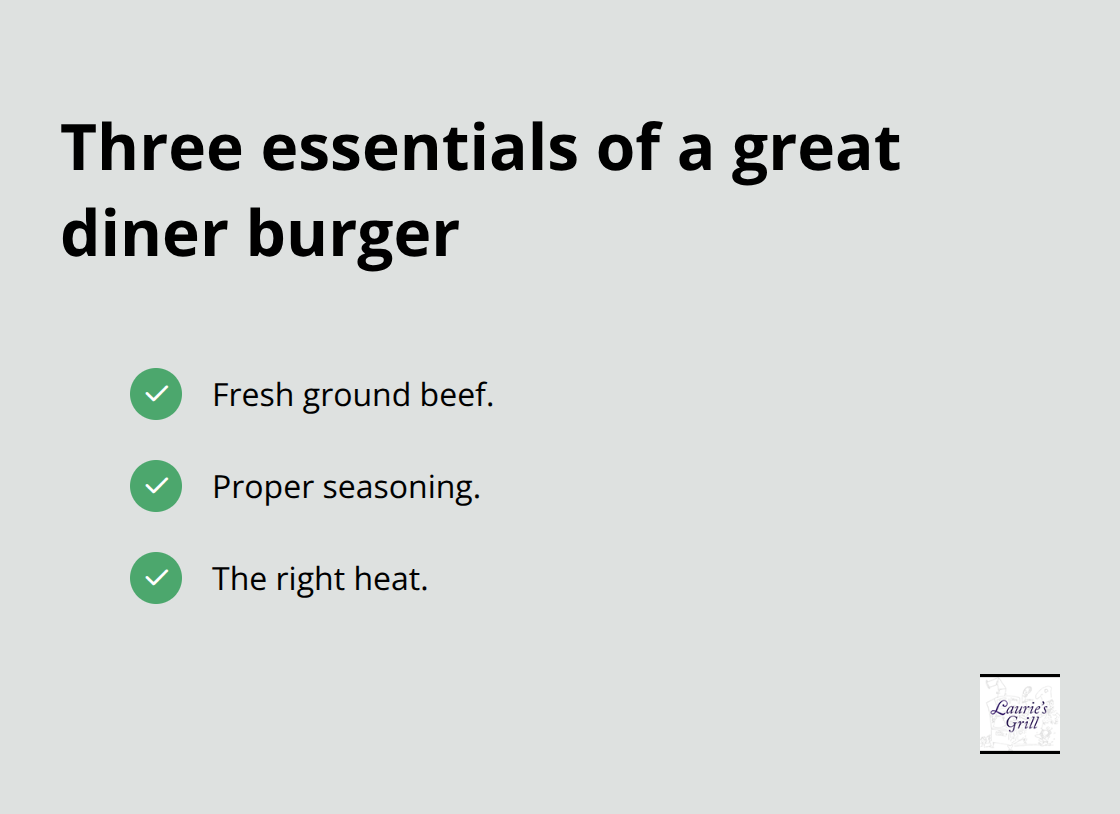
Simple ingredients done right separate diners from casual chains. A quality burger needs three things: fresh ground beef, proper seasoning, and the right heat. Most diners source locally or maintain relationships with specific suppliers they’ve worked with for years (relationships built on trust and consistency).
This directness appeals to people tired of restaurant trends that prioritize appearance over taste. The triple decker club, French toast available all day, and hearty burgers represent dishes that work because they’re built on technique and quality, not innovation for its own sake. Diners thrive because they respect their customers’ time and money.
What Sets Diner Cooking Apart
Diner cooks execute the fundamentals with precision. Eggs come cooked the way you order them. Toast arrives actually crispy. No molecular gastronomy, no unnecessary techniques-just timeless food that tastes like it should. This commitment to straightforward execution creates loyalty that trends cannot shake.
How Modern Diners Stay True While Moving Forward
Adapting Without Abandoning Identity
Diners that thrive today don’t abandon their roots to chase trends. Instead, they adapt their execution without compromising their identity. Honoring tradition means understanding what customers actually need now, not what they needed forty years ago. Vegetarian options, gluten-free preparations, and accommodations for dietary restrictions aren’t betrayals of diner culture-they’re extensions of it. The core principle remains unchanged: feed people well at fair prices.
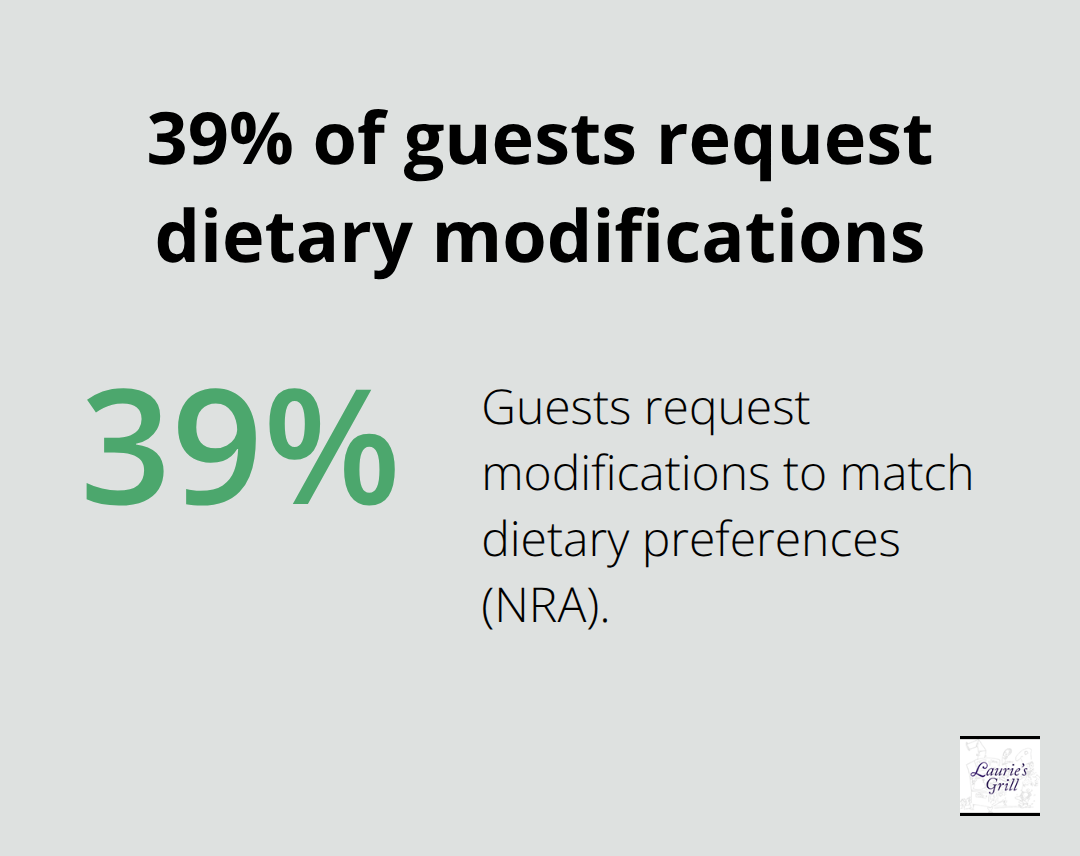
According to the National Restaurant Association, 39% of diners now request modifications to accommodate dietary preferences, and restaurants that refuse these requests lose market share to competitors willing to adapt. The key lies in making these changes without sacrificing the quality that defines diner food.
A vegetarian burger built from quality ingredients and cooked with the same care as a beef patty maintains diner integrity. French toast made with gluten-free bread still needs to be crispy outside and custardy inside. When diners treat dietary accommodations as genuine requests rather than inconveniences, customers notice and return.
Seasonal Menus and Local Sourcing
Seasonal menus and local sourcing deliver fresher flavors, higher-quality ingredients, and a dining experience that changes with the seasons. Diners that source from local farms in Oregon reduce food costs by 8-12% compared to national suppliers while gaining fresher ingredients and building community relationships. Spring menus naturally feature lighter fare when local produce arrives; winter menus shift toward heartier preparations. This approach reflects how diners operated before industrial food systems existed.
Customers taste the difference immediately when restaurants prioritize seasonal ingredients. The triple decker club tastes better when tomatoes come from nearby farms during their peak season than when they’re shipped from thousands of miles away. This approach requires menu planning that considers availability and timing, but the payoff justifies the effort. Diners that maintain flexibility-adjusting offerings based on what’s fresh and available-create natural reasons for regular customers to return and discover something different each season.
Building Community Through Food Choices
Local sourcing strengthens the relationship between diners and their communities in ways that national supply chains cannot replicate. When a diner owner walks into a farmer’s market and knows the grower personally, that connection translates into better food and genuine community investment. Customers recognize this commitment and respond with loyalty that transcends price or convenience. The next step in diner evolution involves recognizing which signature dishes define a region and how those classics can anchor a restaurant’s identity while everything else adapts around them.
Bend’s Signature Dishes Worth the Trip
The Triple Decker Club: Foundation Over Afterthought
The Triple Decker Club at Laurie’s Grill isn’t just a sandwich-it’s the reason the restaurant exists. Founded by Laurie, who grew up in the restaurant business, our grill was born from a dream centered around this single dish. Three slices of toasted bread layered with quality ingredients, stacked high enough that it requires both hands and genuine hunger to finish, the Triple Decker Club represents everything diners do right. It costs $14.95, a price point that reflects honest value rather than markup inflation.
The secret isn’t complicated: we use quality deli meat, fresh tomatoes when they’re in season from local Oregon farms, crisp bacon cooked to order, and bread toasted at the exact moment it’s needed. Most restaurants fail at club sandwiches because they treat them as afterthoughts. We treat them as the foundation. This approach means the Triple Decker Club tastes different in July than it does in November, which is exactly how it should be. Customers who visit seasonally notice this difference and specifically request the club when tomato season arrives, creating natural reasons for repeat visits.
French Toast: Precision Matters
Breakfast all day represents a deliberate stance against menu limitations that frustrate customers. Monagon’s Famous French Toast appears on our menu not because we follow trends but because people want it at 2 PM on a Tuesday. French toast requires precision: the egg custard must coat the bread evenly, the griddle temperature matters enormously, and the final product needs to be crispy outside while remaining custardy inside. Execute it poorly and customers taste regret. Execute it right and they return specifically for that dish.
At Laurie’s Grill, we recognize that hunger doesn’t follow arbitrary schedules. A customer ordering French toast at dinner deserves the same attention as one ordering it at 8 AM.
Burgers Built on Consistency
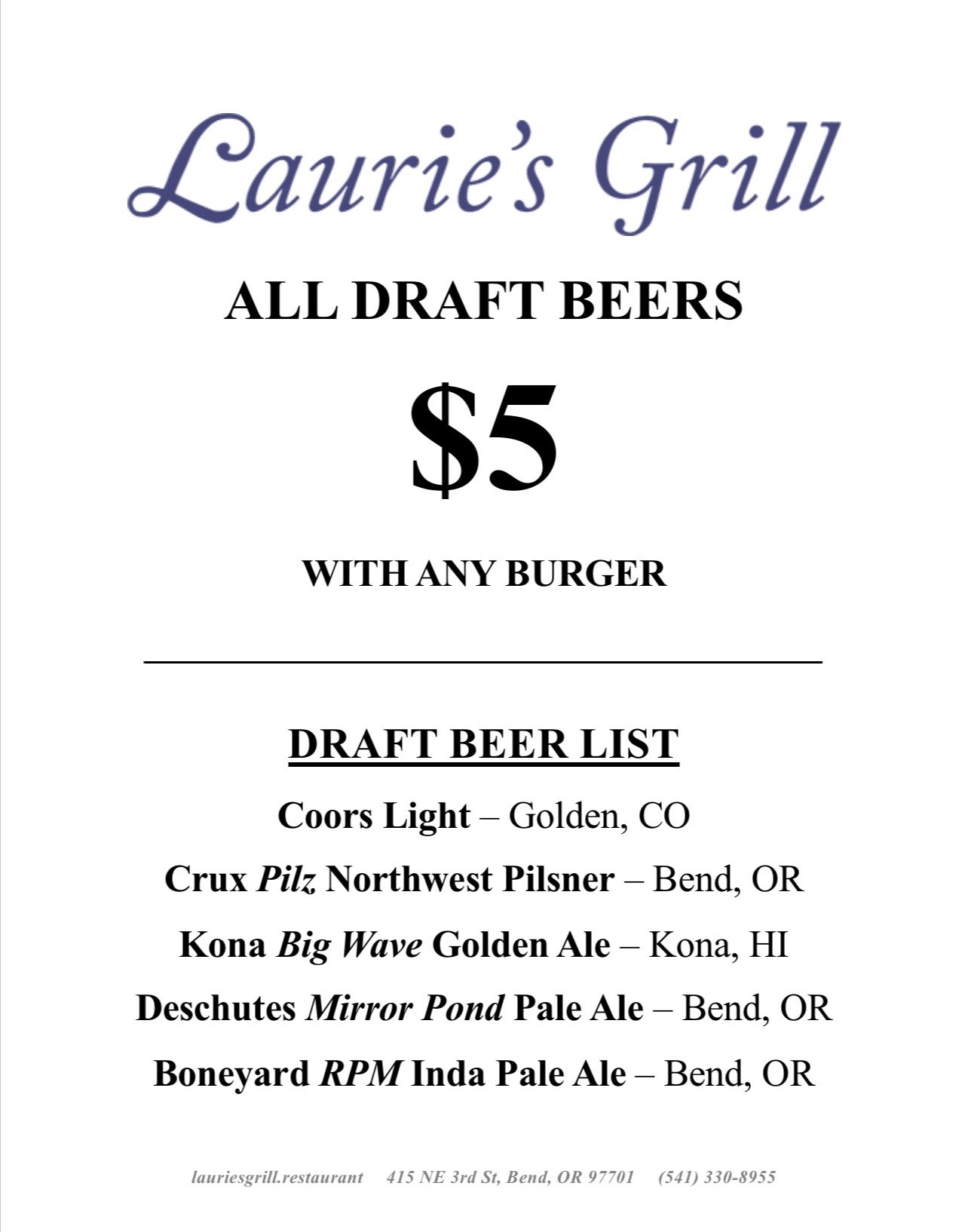
Our hearty burgers follow the same principle as everything else we prepare. Ground beef sourced consistently, seasoned properly, cooked to the temperature ordered, and assembled immediately so nothing gets soggy. A burger at dinner tastes better when the kitchen treats it with the same care and attention as a breakfast order, and customers recognize when a restaurant respects every meal equally regardless of the time it’s ordered.
Final Thoughts
Diners like Laurie’s Grill represent something chains cannot replicate: genuine community spaces where regulars occupy the same booth every Saturday morning and owners actually know their customers’ names and usual orders. Family-owned restaurants make decisions based on what serves customers and the community best, not quarterly earnings reports, which means we source locally to strengthen relationships with Bend farmers and keep prices honest because we understand what our neighbors earn. The National Restaurant Association reports that independent restaurants generate significantly more local economic activity per dollar of revenue than chain establishments, so your money circulates through Bend multiple times when you eat at a family-owned diner.
Bend diner classics represent a commitment to doing things right without unnecessary complication, and that philosophy extends into how we operate every single day. Sustainable dining means respecting ingredients, minimizing waste, and building relationships with suppliers who share our values-it means treating every customer equally and every meal with equal care, whether someone orders breakfast or dinner. This approach to business has real consequences for our community and for the people who walk through our doors.
Visit Laurie’s Grill and experience what community-centered dining actually means.
Recent Comments