
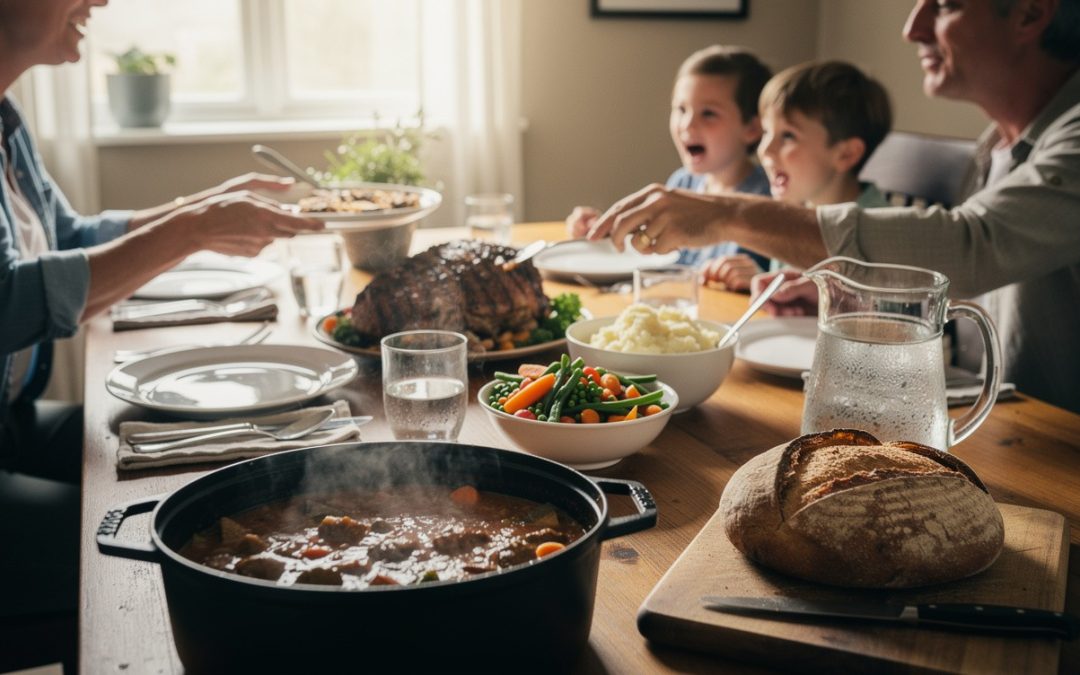
Traditional family meals in Bend aren’t just about food-they’re about preserving what matters most. These classics have fed generations and built the backbone of our community’s dining culture.
At Laurie’s Grill, we’ve watched families gather around tables for decades, sharing recipes that taste like home. Whether you’re craving breakfast comfort or a hearty dinner, learning to recreate these restaurant-quality dishes at home brings that same warmth to your kitchen.
Why These Meals Shape Who We Are
The Science Behind Shared Tables
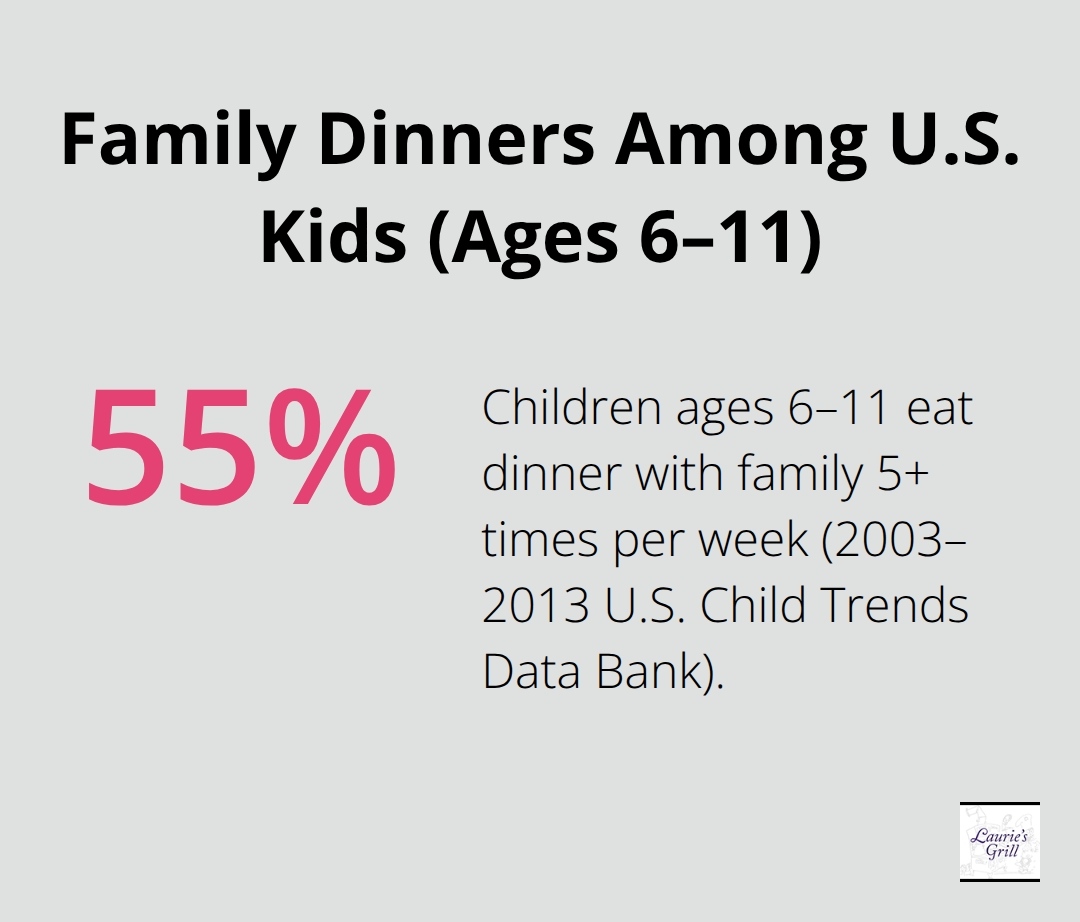
Traditional family meals carry real weight in how communities develop their identity and how families function together. According to U.S. Child Trends Data Bank research from 2003 to 2013, about 55% of children aged 6 to 11 eat dinner with their families five or more times per week, a figure that has remained stable despite massive changes in how we work and live. This consistency matters because families who eat together regularly show measurable differences in their children’s diet quality, emotional well-being, and academic performance.
Shared meals around a table establish patterns that shape how children relate to food, family, and community-something far deeper than nostalgia.
Heritage Lives in Every Recipe
Heritage gets woven into these meals whether you’re aware of it or not. When you learn to make your grandmother’s pot roast or your uncle’s famous meatloaf, you maintain a direct connection to how your family survived, celebrated, and stayed close through generations. The dishes that define Bend’s dining culture tell stories about what people valued: affordability, heartiness, and the ability to feed a crowd without fussing. These recipes represent real choices your ancestors made about what mattered most.
Time Spent on Food Matters More Now
Statistics Canada found that Canadians spend time on food-related activities, yet younger people consistently spend less time on these tasks overall. This trend means that when families do sit down together, the meal needs to matter more, not less. Recreating traditional dishes at home gives you control over what that experience becomes-you choose the quality of ingredients, the pace of the meal, and whether phones stay off the table. That control transforms an ordinary dinner into something intentional and powerful.
Why Bend’s Classics Still Resonate
The hearty classics that built Bend’s restaurant culture didn’t survive by accident. They persisted because they deliver real satisfaction on a budget, feed multiple people without complicated techniques, and taste like the meals that shaped this community. When you recreate these dishes in your own kitchen, you tap into something that restaurants like Laurie’s Grill have understood for decades: people crave the warmth and reliability of food that connects them to something larger than themselves. These meals work because they’ve been tested by time and refined by families who knew what they were doing.
Moving From Nostalgia to Action
Understanding why these meals matter sets the stage for actually bringing them to your table. The next step involves learning which classic recipes define Bend dining and how to approach them with confidence.
Classic Bend Dishes Worth Recreating at Home
Breakfast Foundations That Built Our Diner Culture
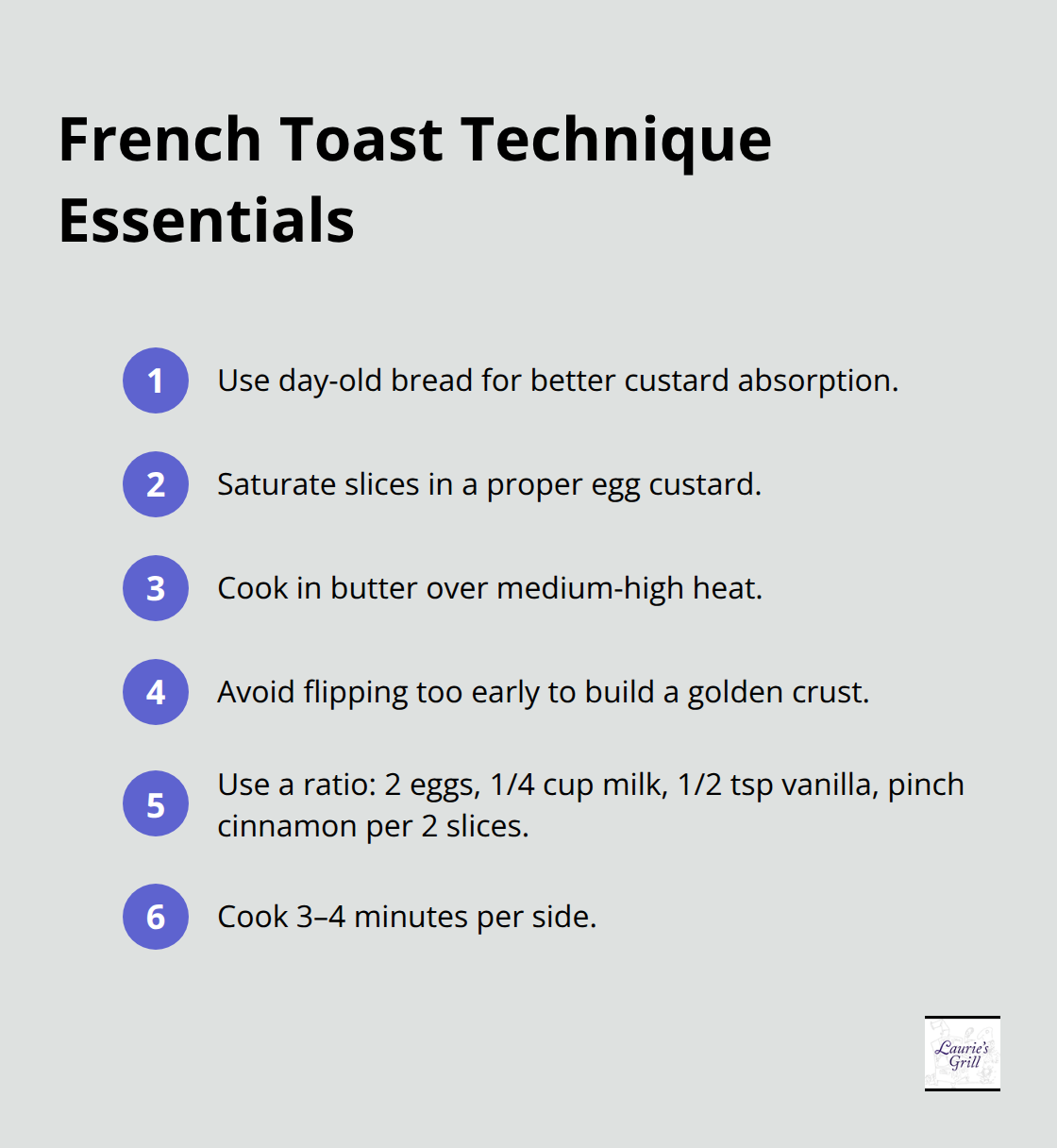
The breakfast dishes that define Bend’s diner reputation share one thing in common: they refuse to disappear. Monagon’s Famous French Toast appears on menus across town because it works. The dish succeeds not through complexity but through technique-proper egg custard saturation, medium-high heat to build a golden crust, and the discipline to avoid flipping too early. When you recreate this at home, use day-old bread rather than fresh loaves, as the slightly drier crumb absorbs custard without becoming soggy. A standard ratio works well: two eggs, quarter cup milk, half teaspoon vanilla, and a pinch of cinnamon per two slices. Cook on butter at medium-high heat for three to four minutes per side.
All-day breakfast options like hash browns and omelets follow the same principle-they demand respect for temperature control and ingredient quality rather than secret ingredients.
Sandwich Traditions That Require Precision
Bend’s sandwich traditions center on the Triple Decker Club, a structure that requires precision. Layer bacon, turkey, and ham across three bread slices with lettuce, tomato, and mayo between each layer. The critical step most home cooks miss involves toasting the bread first, which prevents the sandwich from becoming a soggy mess. Cut diagonally into quarters and secure with toothpicks before serving. This structure matters because it holds the filling without compression that squeezes out moisture.
Casseroles and One-Pot Meals for Feeding Families
Hearty main courses and sides define what families actually cook at home. Casseroles dominate traditional Bend dining for practical reasons: they feed six to sixteen people from a single dish, require minimal active cooking time, and improve when made ahead. Chicken and wild rice casserole serves eight and costs roughly four to five dollars per portion in ingredient costs. Macaroni and cheese scaled for crowds serves sixteen when made with real cheese rather than powdered packets-use sharp cheddar for flavor depth and whole milk mixed with evaporated milk for richness without excessive fat.
Slow Cooker Solutions and Budget Proteins
One-pot meals and slow cooker dishes appeal to working families because they transform cheap cuts of meat into tender results through time rather than technique. Pot roast becomes tender after three hours of low, moist heat; ground beef chili benefits from two to three hours of simmering that allows spice flavors to mature. Budget-friendly proteins like beans, sausage, and chicken thighs appear throughout these dishes because they deliver protein at three to five dollars per pound. Sides like creamed spinach and pearl onions pair well with lighter mains.
Batch Cooking Strategy for the Week Ahead
The most practical approach involves batch cooking one weekend afternoon-prepare two casseroles and freeze one, make chili for immediate eating and freezing portions, and roast vegetables that work across multiple meals. This single session yields five to seven dinners with minimal waste and maximum flexibility for busy weeks ahead. Once you master these foundational techniques and understand how to scale recipes for your family’s size, the next step involves learning the specific methods that transform restaurant-quality results into your own kitchen.
How Restaurant Quality Starts at Home
Temperature Control Separates Good From Exceptional
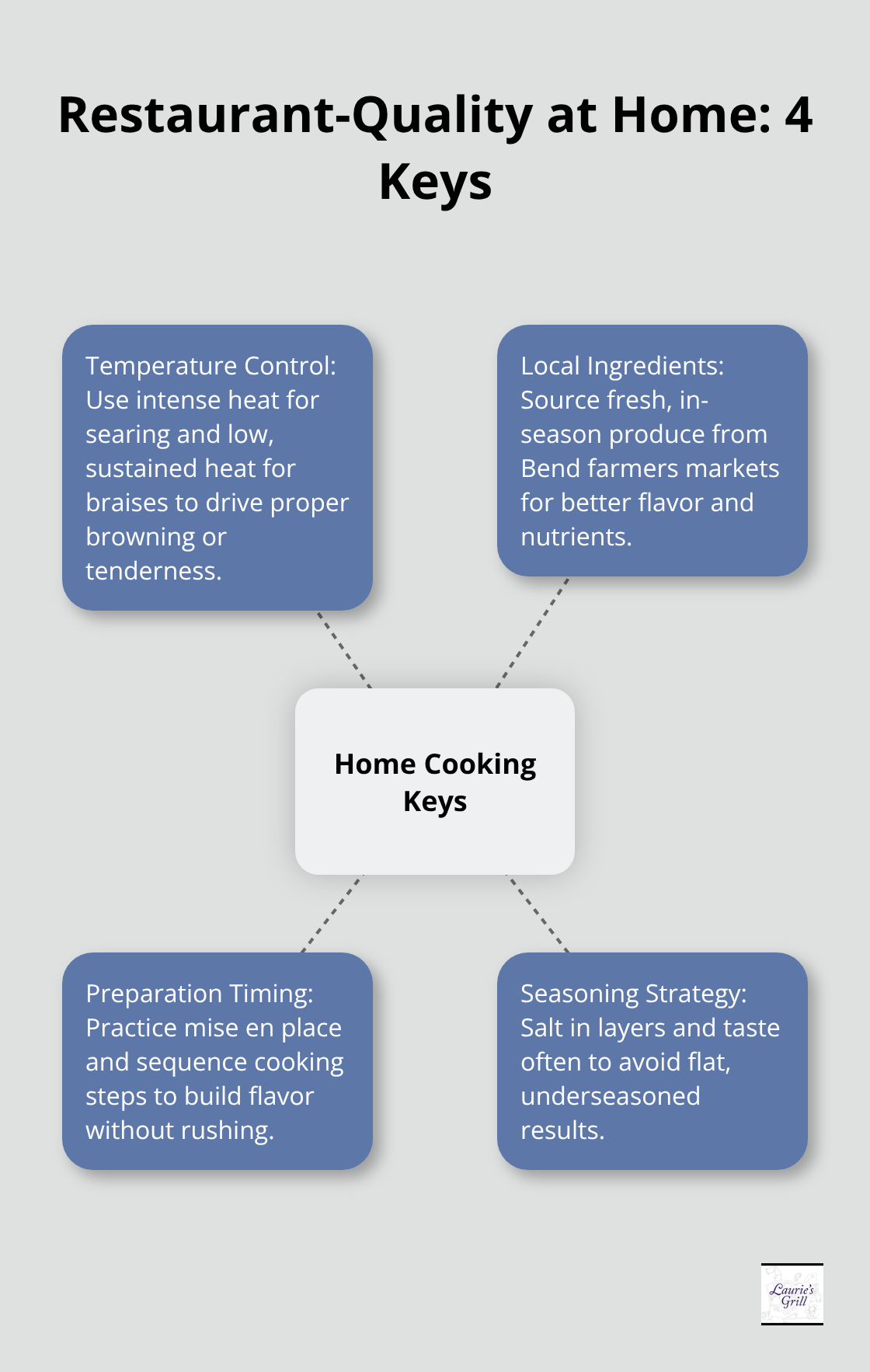
The gap between restaurant results and home cooking isn’t about secret ingredients or expensive equipment-it’s about understanding three concrete factors that separate mediocre from memorable. Temperature control matters more than anything else. When you cook a steak at home, most people use medium heat and wonder why it lacks the crust that restaurants achieve. Professional kitchens use intense heat that would set off your home smoke alarm. Cast iron skillets preheated for five to seven minutes at your stovetop’s highest setting approximate this intensity. Get the pan so hot you can hold your hand above it for only two seconds before the heat forces you away. Temperature control in achieving restaurant-quality browning requires heat typically above 300°F, which creates the Maillard reaction that builds flavor through browning rather than steaming.
For casseroles and slow cooker dishes, the opposite applies-lower sustained heat over longer periods extracts gelatin from bones and allows tough connective tissue to transform into tender results. A pot roast needs four to five hours at 200 degrees, not ninety minutes at 350. The low, moist environment breaks down collagen into gelatin, which creates the silky mouthfeel that makes these dishes memorable.
Local Ingredients Shift Your Results Dramatically
Sourcing ingredients locally transforms your cooking because Bend farmers markets and local suppliers provide produce picked days ago rather than weeks. Local ingredient sourcing from farmers markets gives your body the nutrients it needs while limiting harmful substances. Fresh herbs from local growers contain more volatile oils than dried alternatives. This matters for casseroles because one fresh thyme sprig adds more flavor than half a teaspoon of dried. Ask vendors at the Bend farmers market which vegetables peak in specific months-this knowledge lets you time your cooking to ingredient quality rather than fighting against produce that travelled thousands of miles.
Preparation Timing Prevents Rushed Results
Preparation timing separates rushed cooking from intentional results. Mise en place, the practice of measuring and arranging ingredients before cooking starts, prevents overcooking while you scramble for items. When you make French toast, having eggs whisked, bread sliced, and butter ready means you spend three minutes cooking rather than ten minutes assembling mid-process. For one-pot meals like chili, brown your meat first and set it aside, then sauté onions and garlic in the rendered fat, then add spices and toast them for sixty seconds before adding liquid. This sequence builds flavor layers that rushing destroys.
Batch cooking on Sunday afternoon works because you prep once and execute multiple dishes simultaneously-roast vegetables while casseroles bake, brown ground beef for two separate meals while onions caramelize. The solution isn’t faster cooking-it’s front-loading work on weekends so weeknight meals assemble rather than cook from scratch.
Seasoning Strategy Builds Flavor Depth
Season aggressively and taste constantly rather than adding salt at the end. Traditional dishes relied on salt as a primary flavor builder, yet modern home cooks undersalt from fear. Add salt in layers throughout cooking, tasting every five minutes. This approach prevents the flat, underseasoned results that discourage people from cooking at home. The difference between a forgettable casserole and one worth repeating often comes down to salt levels that most home kitchens never reach.
Final Thoughts
Traditional family meals in Bend have shaped how this community eats, gathers, and stays connected across generations. These classics persist not because they’re frozen in time, but because they solve real problems that modern families face every day-they feed multiple people affordably, require techniques that build confidence rather than intimidate, and create moments where families actually sit together without distraction. The reason these dishes remain timeless comes down to their fundamental honesty: a pot roast doesn’t pretend to be anything other than affordable meat transformed through patience into something tender and satisfying.
Bringing Bend’s diner culture to your table means recognizing that restaurants like Laurie’s Grill have built their reputation on these exact principles. When you recreate the Triple Decker Club at home or master the technique behind Monagon’s Famous French Toast, you participate in something that has fed this community for decades. The warmth and reliability that define Laurie’s Grill’s atmosphere come from understanding that food connects people to each other and to their heritage.
Start this week by choosing one classic dish that resonates with your family and gathering ingredients from local sources. Respect the temperature requirements, season boldly, and sit down to eat what you’ve made-you’ll turn a meal into a moment that matters, just as families in Bend have always done.

Recent Comments