
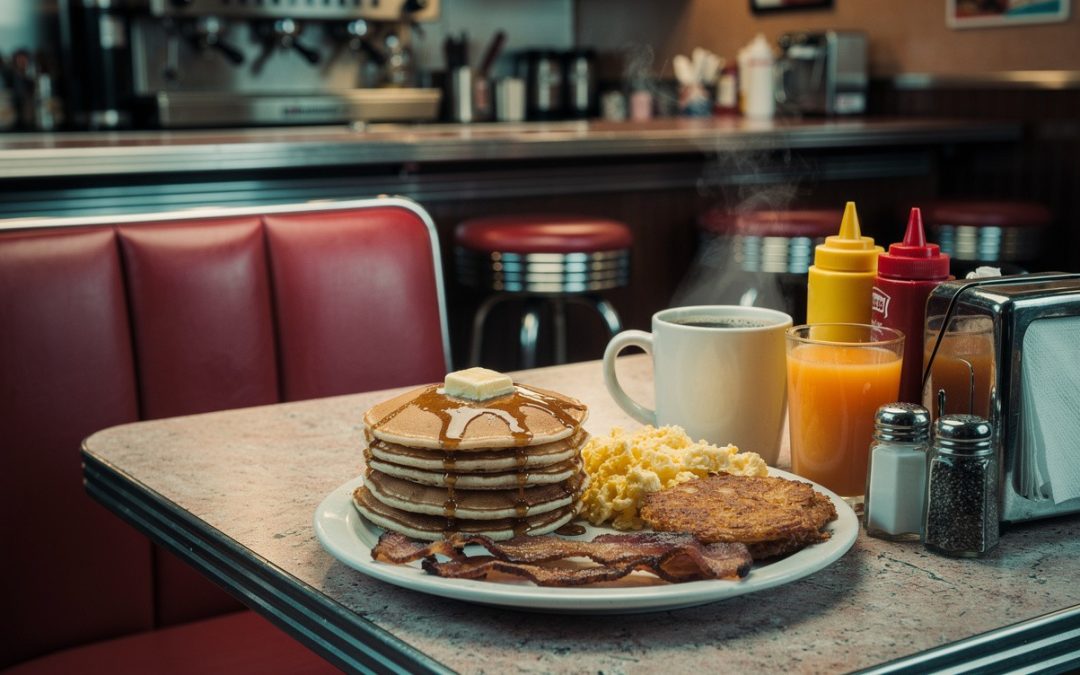
There’s something special about walking into a diner and knowing exactly what you’re going to get. At Laurie’s Grill, we’ve built our reputation on serving the Bend Oregon diner favorites that keep people coming back.
Comfort food isn’t a trend that fades. It’s what families have relied on for generations, and it’s what makes a meal feel like home.
Why Diners Stay Popular
Diners have survived every food trend of the past seventy years because they solve a real problem. People need affordable meals that taste good and arrive quickly. The National Restaurant Association reports that 47 percent of Americans eat at casual dining restaurants at least once monthly, and diners anchor this category because they deliver consistency without pretense. Unlike trendy restaurants that change menus seasonally or charge premium prices for minimalist plates, diners stick to what works.
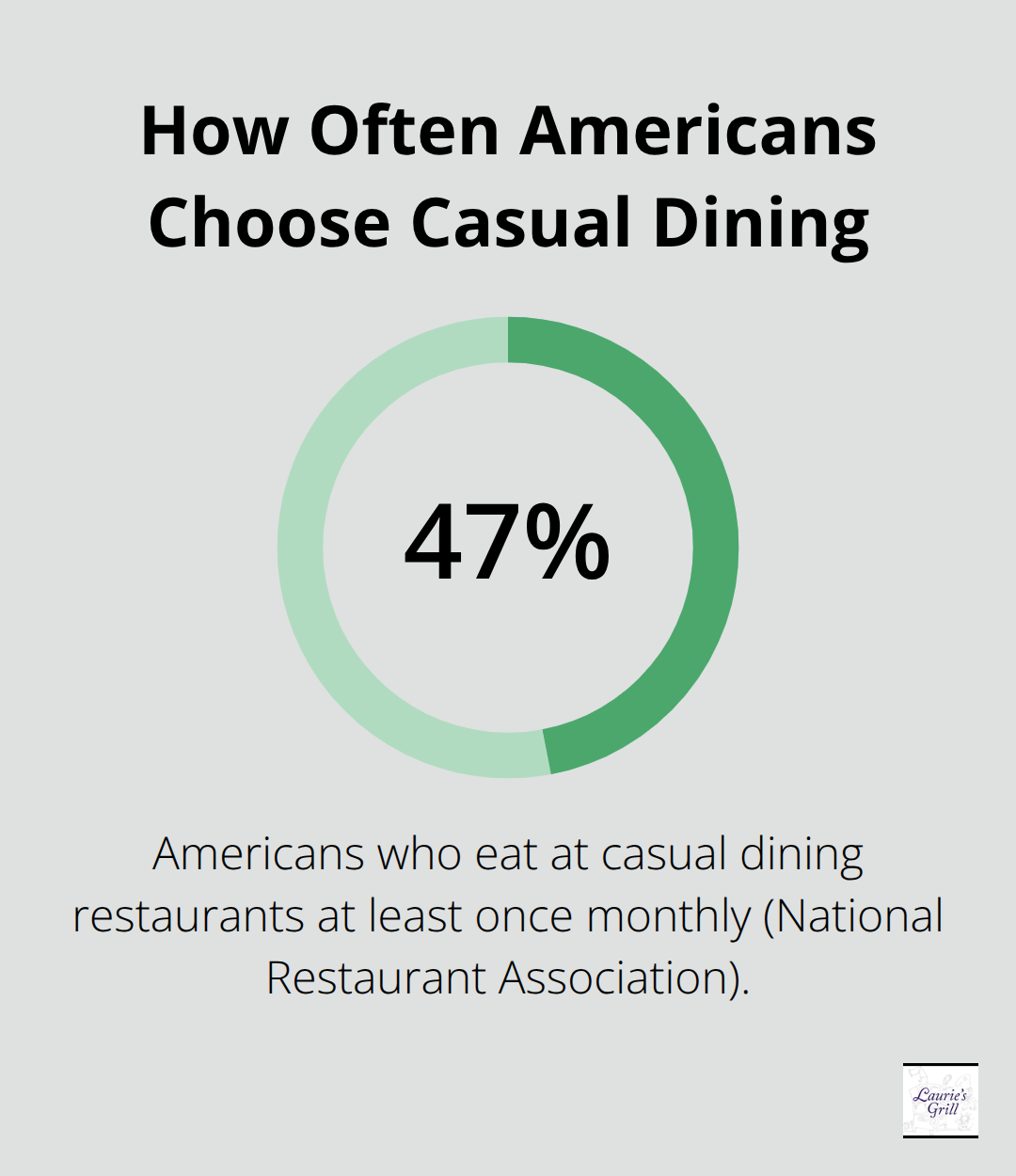
Customers return because they know what they’ll receive-the same quality meal, prepared the same way, every single time.
The Real Reason Comfort Food Endures
Comfort food works because it satisfies in ways that matter to busy families. A burger, breakfast served all day, and a milkshake cost less than thirty dollars for two people in most markets, which matters when household budgets stretch thin. The Cornell Hotel and Restaurant Administration Quarterly found that diners generate higher customer loyalty than other casual restaurants because repeat visits feel like routine rather than special occasions. You don’t need reservations or dress codes. You sit down, order what you’ve always ordered, and the kitchen delivers exactly what you expect. This reliability explains why Bend residents choose traditional diner favorites over the farm-to-table restaurants and taco trucks that populate our downtown.
How Classic Recipes Survive
Traditional recipes last because they rest on technique, not novelty. French toast requires understanding how to balance egg saturation with heat control. Burgers depend on meat quality and griddle temperature. These fundamentals never change. When restaurants cut corners by using pre-made components or skipping steps, customers notice immediately. Restaurants that prepare classic dishes properly (like the Triple Decker Club at Laurie’s Grill) maintain what makes them work. Food that tastes good doesn’t need reinvention every season.
What Sets Diner Food Apart
Diner menus resist the pressure to chase trends because they’ve already proven their worth. A breakfast served all day appeals to night-shift workers, parents with unpredictable schedules, and anyone who simply prefers eggs over dinner entrées. Hearty portions and straightforward preparation mean customers leave satisfied without paying premium prices. The consistency of diner food (the same French toast recipe prepared the same way for decades) builds trust that trendy restaurants struggle to match. This predictability transforms casual meals into something deeper-a reliable anchor in a changing world.
The Path Forward
Understanding why diners thrive reveals what makes Bend’s dining landscape unique. While our city boasts refined seasonal menus and innovative plant-based options, the enduring appeal of classic diner food speaks to something fundamental about how we eat and gather. The question becomes not whether traditional favorites will survive, but how they shape the character of restaurants that serve them.
What Makes Laurie’s Grill’s Signature Dishes Stand Out
The Triple Decker Club: Precision Over Simplicity
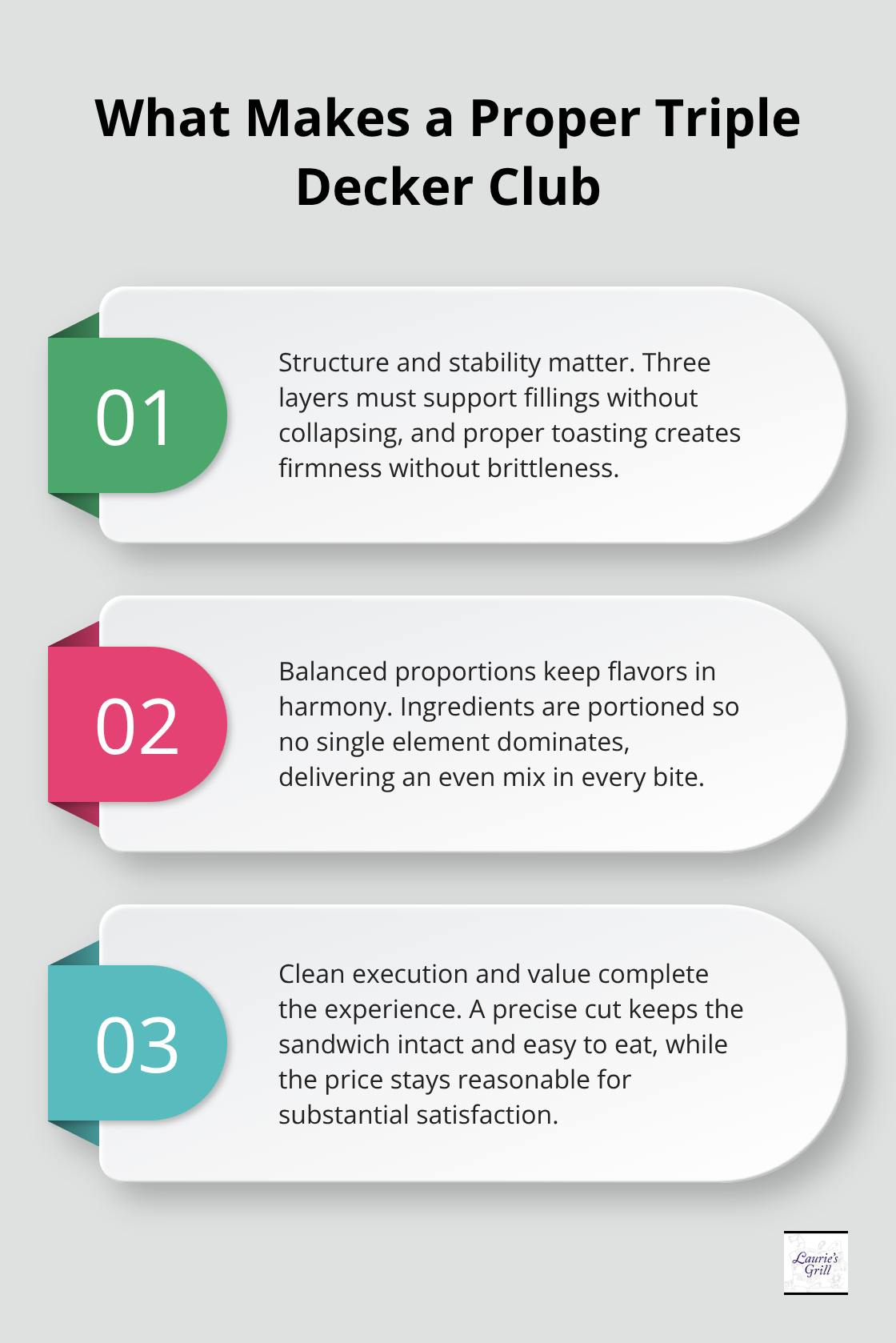
The Triple Decker Club at Laurie’s Grill represents everything that separates a proper diner sandwich from the forgettable versions served elsewhere. This isn’t a marketing term-it’s a working definition of what happens when three layers of bread support quality ingredients without collapsing. Each layer must reach the exact firmness that holds without becoming brittle, the filling proportions must balance so no single ingredient overwhelms the others, and the knife cut must be clean enough that customers can actually eat it without the whole thing falling apart. Regional popularity for triple-decker clubs peaked in the 1950s and 1960s, but Bend residents still order them because they solve a real problem that modern sandwiches ignore-they deliver substantial nutrition and satisfaction for a reasonable price, typically under fifteen dollars.
French Toast and the Science of Technique
Monagon’s Famous French Toast follows the same principle of technical mastery over trend-chasing. French toast fails when restaurants treat it as an afterthought, whisking eggs with too much milk or cooking at temperatures that produce soggy bread instead of a crispy exterior. The technique demands understanding how egg-to-dairy ratios affect absorption, how pan temperature controls the Maillard reaction, and how resting time before cooking prevents the bread from falling apart. Someone who actually cares about the method transforms a simple dish into something memorable.
Burgers and All-Day Breakfast: Meeting Real Needs
Hearty burgers and all-day breakfast options round out the menu because they address actual customer needs rather than aesthetic preferences. Night-shift workers need breakfast at 6 p.m. Parents with young children need meals that won’t break the family budget. People recovering from hangovers need substantial food that sits well in the stomach. These aren’t theoretical market segments-they’re the backbone of diner business, and restaurants that serve them well build the kind of loyalty that survives economic downturns and changing food fashions.
Execution Matters More Than Innovation
What separates quality diner food from competitors isn’t complicated menu engineering or ingredient sourcing from obscure suppliers. It’s the decision to master fundamentals and execute them consistently. A burger tastes better when the cook understands meat composition and temperature control rather than following a recipe without comprehension. The Triple Decker Club works because it’s built with intention, not assembled carelessly. Bend’s dining landscape includes excellent options-farm-to-table restaurants showcasing seasonal Oregon produce, innovative plant-based establishments, and family-run taco trucks with handmade tortillas. Yet the enduring appeal of classic diner food proves that execution of traditional recipes matters more than novelty. Customers return because they know exactly what they’re getting, and that certainty has become increasingly valuable in a world where restaurants constantly chase the next trend.
Affordability Without Compromise
The affordability factor amplifies this appeal significantly. A family of four can eat breakfast at a quality diner for less than the cost of a single entrée at fine-dining establishments, yet the quality of ingredients and preparation remains uncompromised. This combination-technical excellence applied to classic dishes at accessible prices-explains why traditional diner food continues to thrive despite predictions that it would fade decades ago. Understanding what drives customer loyalty to classic diner meals reveals why Bend’s dining character includes both innovative restaurants and timeless comfort food establishments that refuse to chase trends.
Why Diners Feel Like Home
Affordability Builds Loyalty
A family of four walks into a diner on a Tuesday evening after soccer practice and a long day at work. The total bill comes to under forty dollars, including drinks and dessert. This affordability matters more than restaurant marketing departments admit. When a burger, fries, and a milkshake cost twelve dollars instead of twenty-five, families visit more often. Repeat visits build relationships with staff members who start to remember names and regular orders. That recognition transforms a transaction into something deeper.
The warm atmosphere at a quality diner does not emerge from expensive design or trendy décor. It comes from consistency, affordability, and the simple fact that customers feel valued rather than transactional. Staff members who have worked at the same diner for years develop genuine familiarity with regulars. They know which customers prefer their eggs over-easy, which families have dietary restrictions, and which elderly patrons appreciate extra time to read the menu. This attention costs nothing but produces loyalty that advertising cannot purchase.
Consistency Eliminates Decision Fatigue
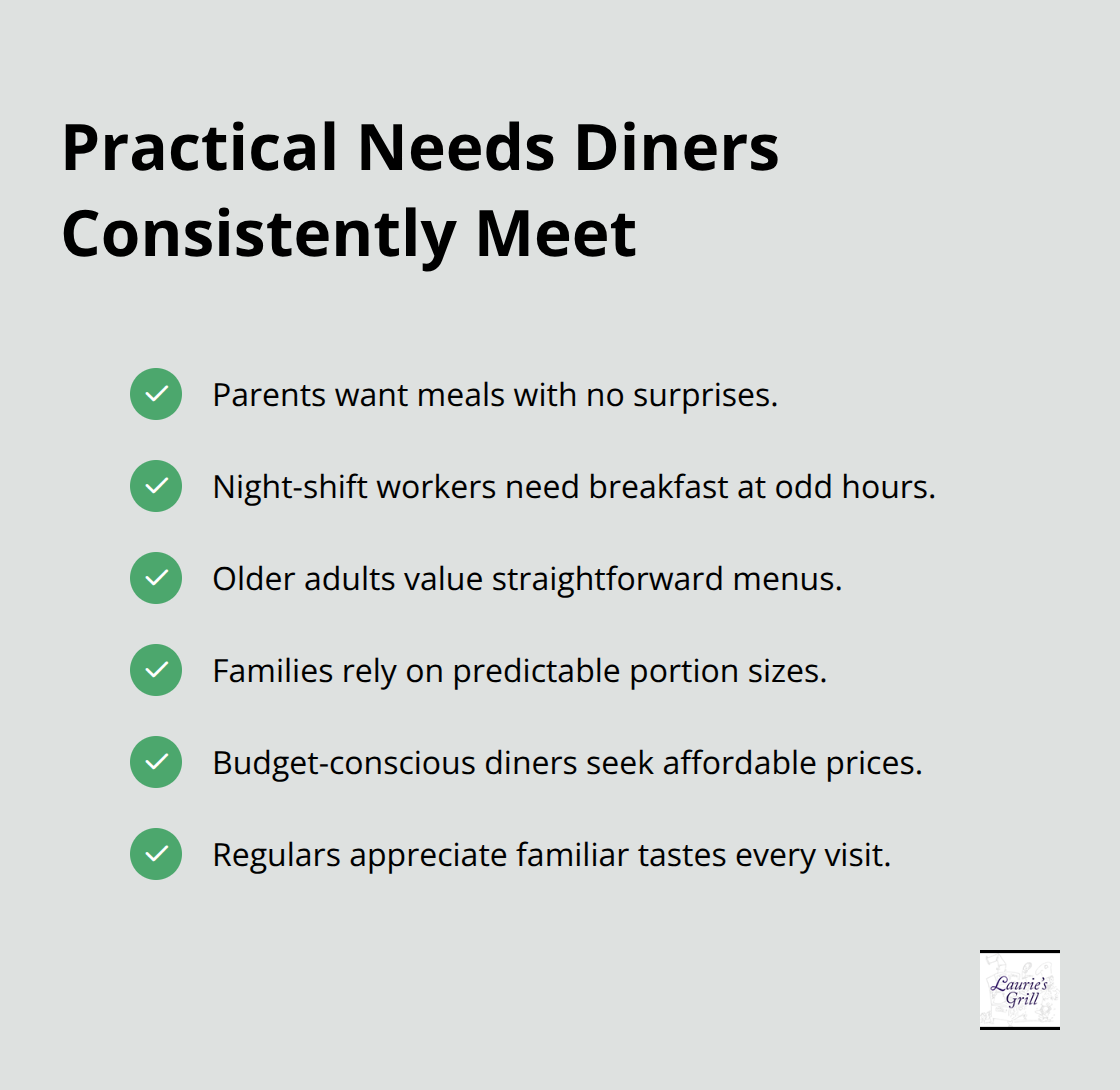
The consistency factor separates diners from restaurants that constantly chase novelty. When someone orders the Triple Decker Club today, they expect it to taste identical to the version they ordered three months ago and three years ago. This reliability eliminates decision fatigue. Convenience is one of the most important factors in repeat business. Parents with young children need meals that will not surprise or disappoint. Night-shift workers need food that sits well in the stomach without complicated preparation. Older adults appreciate straightforward menus and predictable portion sizes. These practical needs drive customer loyalty more powerfully than seasonal menu innovations or Instagram-worthy plating.
A restaurant that executes the same recipes perfectly for decades builds trust that transcends typical customer-business relationships. That trust becomes the foundation of community connection. When Bend residents gather for casual meals, they choose establishments where the food quality remains consistent and the atmosphere welcomes everyone (from construction workers to retirees to families with young children). The affordability combined with consistent quality and genuine human connection explains why diners endure. These establishments serve a function that trendy restaurants cannot replace, regardless of their ingredient sourcing or chef credentials.
Why Bend Residents Choose Tradition
Bend’s dining landscape includes excellent options-farm-to-table restaurants showcase seasonal Oregon produce, innovative plant-based establishments thrive downtown, and family-run taco trucks serve handmade tortillas with bold sauces. Yet Bend residents still choose traditional diner establishments because the experience feels reliable and genuine in ways that higher-end restaurants often cannot replicate (regardless of ingredient quality or culinary technique). The predictability of diner food transforms casual meals into something deeper-a reliable anchor in a changing world. Staff familiarity, affordable pricing, and consistent execution create an environment where customers feel at home rather than like paying guests.
Final Thoughts
Classic diner food endures because it solves real problems that trendy restaurants ignore. Families need affordable meals prepared consistently, without pretense or complicated ordering processes. Bend Oregon diner favorites like the Triple Decker Club and Monagon’s Famous French Toast succeed because they deliver technical excellence applied to straightforward dishes, creating loyalty that seasonal menus and premium ingredients cannot replicate.
Bend residents choose traditional diner establishments because the experience feels genuine and welcoming to everyone. Staff members remember regular customers by name, portion sizes satisfy without waste, and prices allow families to eat out without financial stress. These practical benefits accumulate into something deeper than customer satisfaction-they build community connection where construction workers, retirees, families with young children, and night-shift workers all feel valued rather than transactional.
Family-owned diners anchor neighborhoods and preserve culinary traditions that corporate restaurants abandon when trends shift. Visit Laurie’s Grill to experience why our community includes both innovative restaurants and timeless comfort food establishments that refuse to chase trends.
Recent Comments