
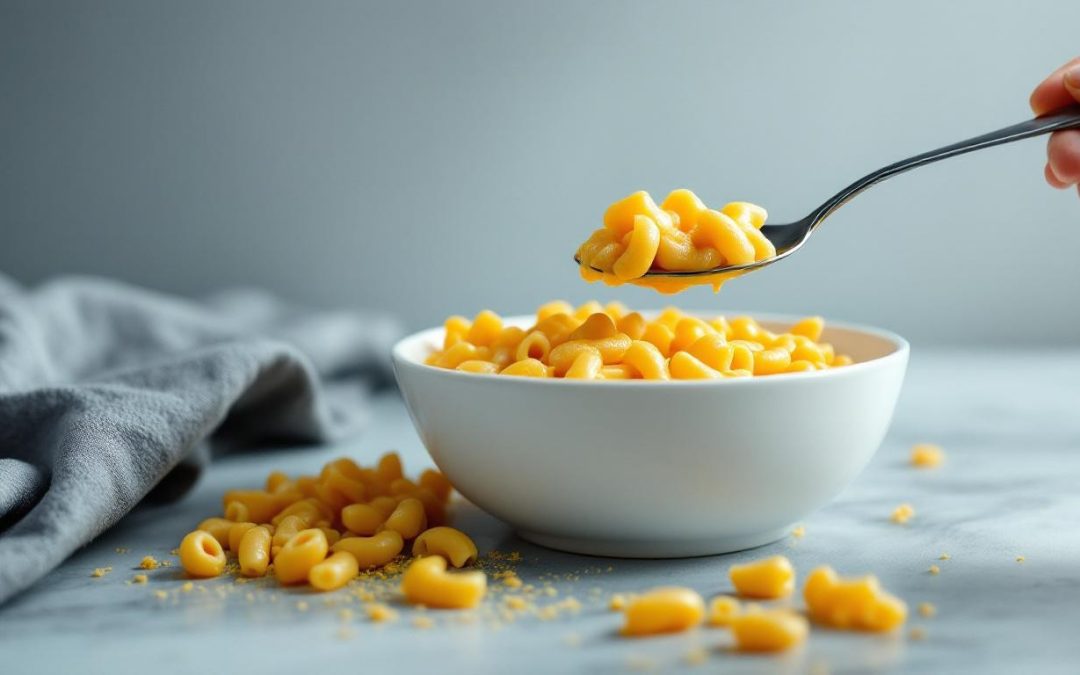
Mac and cheese is the ultimate comfort food that most kids will actually finish on their plate. The problem is that boxed versions are packed with additives and often taste bland, which defeats the purpose of serving something your family enjoys.
We at Laurie’s Grill believe homemade mac and cheese is worth the minimal effort it takes. This recipe proves that making it from scratch is faster and cheaper than you’d expect, with results that taste genuinely better.
Why Homemade Mac and Cheese Beats Store-Bought Versions
The Texture and Taste Problem with Boxed Versions
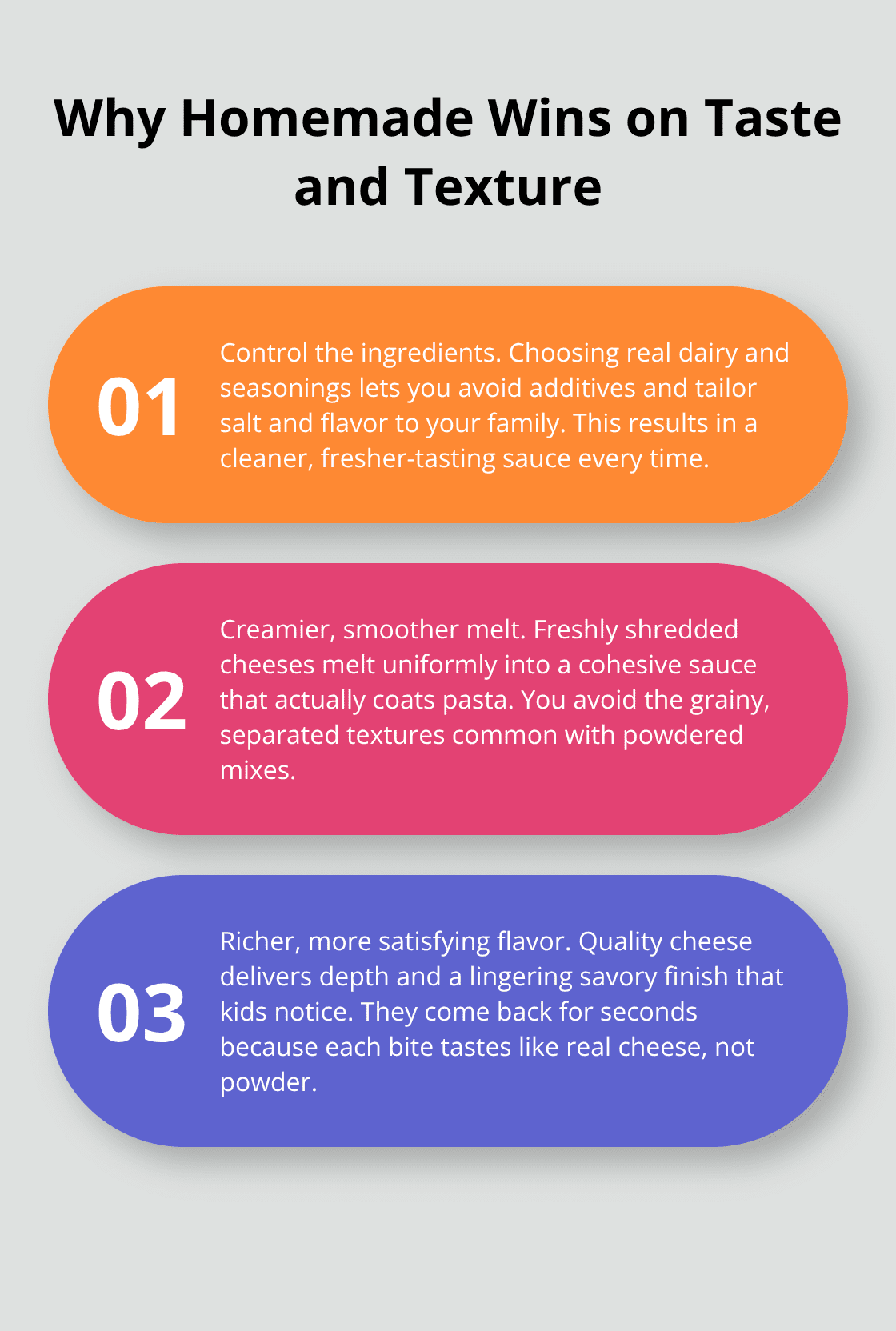
Boxed mac and cheese relies on powdered cheese that contains anti-caking agents and cellulose, which prevents the cheese from melting smoothly into a creamy sauce. When you make it from scratch, you control exactly what goes into every bite. Real shredded cheddar melts into a sauce that actually coats the pasta, while boxed versions leave a grainy, separated texture that kids notice immediately. The taste difference is stark: homemade versions using quality cheese have a richer, more satisfying flavor that keeps kids coming back for seconds.
What’s Really in the Box
Store-bought boxes contain sodium levels that exceed recommended daily amounts for children, whereas a homemade version lets you control salt content entirely. Beyond taste, the ingredient list on boxed versions often includes yellow 5 and yellow 6 food dyes, which some parents want to avoid for their families. Making it from scratch takes about 20 minutes on the stovetop, barely longer than boiling water and mixing powder.
The Real Cost Advantage
A box of mac and cheese costs around $0.50 to $1.00, but yields only a small side portion. Making homemade mac and cheese with real cheese, butter, flour, and milk costs roughly $2 to $3 per batch and produces four hearty servings as a main course. That breaks down to about $0.50 to $0.75 per serving while delivering three times the nutritional value and satisfaction.
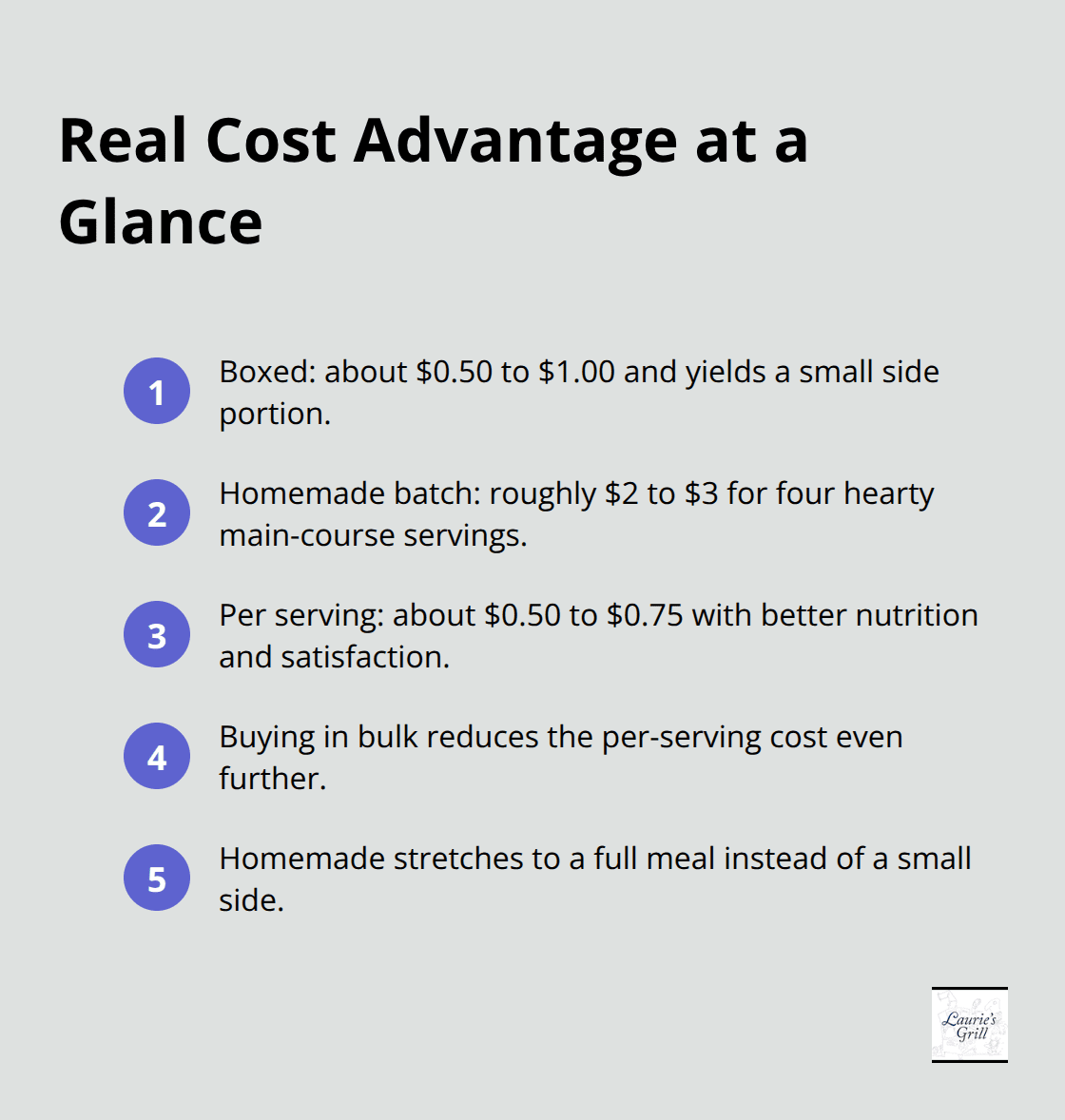
When you buy quality ingredients in bulk, the per-serving cost drops even further.
Cooking from scratch also means no packaging waste and the ability to scale recipes up for family gatherings without purchasing multiple boxes. Kids who eat homemade versions develop a preference for real food over processed alternatives, which benefits their eating habits long-term. This shift toward homemade meals doesn’t require special equipment or fancy ingredients-just a saucepan, a whisk, and pasta you already have in your pantry. Once you understand how simple the process actually is, you’ll want to move straight to the recipe itself.
How to Make the Cheese Sauce That Actually Works
Prepare Your Pasta Correctly
Cook your elbow macaroni one minute less than the package directions specify. This matters because the pasta will finish cooking when you mix it with the hot cheese sauce, preventing that mushy texture that makes kids push their plates away. Salt your pasta water generously-this is your only chance to season the noodles themselves, and it makes a measurable difference in the final dish. After draining, do not rinse the pasta. The starch clinging to it helps the sauce cling better and creates that creamy coating kids actually want to eat.
Build Your Roux Base
You need three things for the sauce: butter, flour, and milk. Melt half a cup of butter over medium heat, then whisk in half a cup of flour to create a roux. Keep stirring for about two minutes until the raw flour smell disappears. Slowly add one and a half cups of whole milk while whisking constantly to prevent lumps. Keep your dairy at room temperature before mixing because cold milk takes longer to thicken and can create a grainy texture. Once the milk is fully incorporated, bring the mixture to a gentle boil and let it thicken for about three minutes. This thick base is essential-it should coat the back of a spoon.
Add Your Cheese and Seasonings
Shred your cheese yourself instead of buying pre-shredded varieties, which contain anti-caking agents that prevent smooth melting. Use four cups of sharp cheddar and two cups of Gruyère for the best balance of flavor and melt. Fold the cheese in gradually, stirring until completely melted before adding more. Season with half a tablespoon of salt, half a teaspoon of black pepper, and a quarter teaspoon of smoked paprika for depth. This combination gives you roughly 665 calories per serving with substantial protein and fat that keeps kids satisfied.
Combine and Serve Immediately
Combine the thickened sauce with your drained pasta immediately while everything is hot, stirring until every piece is coated. Serve straight from the pot or transfer to a serving dish and eat within an hour for the best texture. The creamy coating you’ve created will stay smooth and appetizing only if you serve it fresh. Once your mac and cheese is ready, you can elevate it further by involving your kids in the next steps-letting them help choose cheese blends or add their favorite mix-ins transforms a simple dinner into something they’ll actually request.
How to Make Kids Want Homemade Mac and Cheese
Transform Mac and Cheese with Hidden Vegetables
Vegetables disappear into mac and cheese sauce when you blend them properly, and kids cannot taste what they cannot see. Blend cooked cauliflower florets with diced sweet potato into your milk before whisking it into the roux, and the sauce becomes naturally creamier while adding vegetables your kids will actually consume. The sweet potato adds subtle sweetness that complements sharp cheddar, while cauliflower vanishes completely into the texture. This method delivers nutritional benefits without requiring kids to pick around vegetables on their plate.
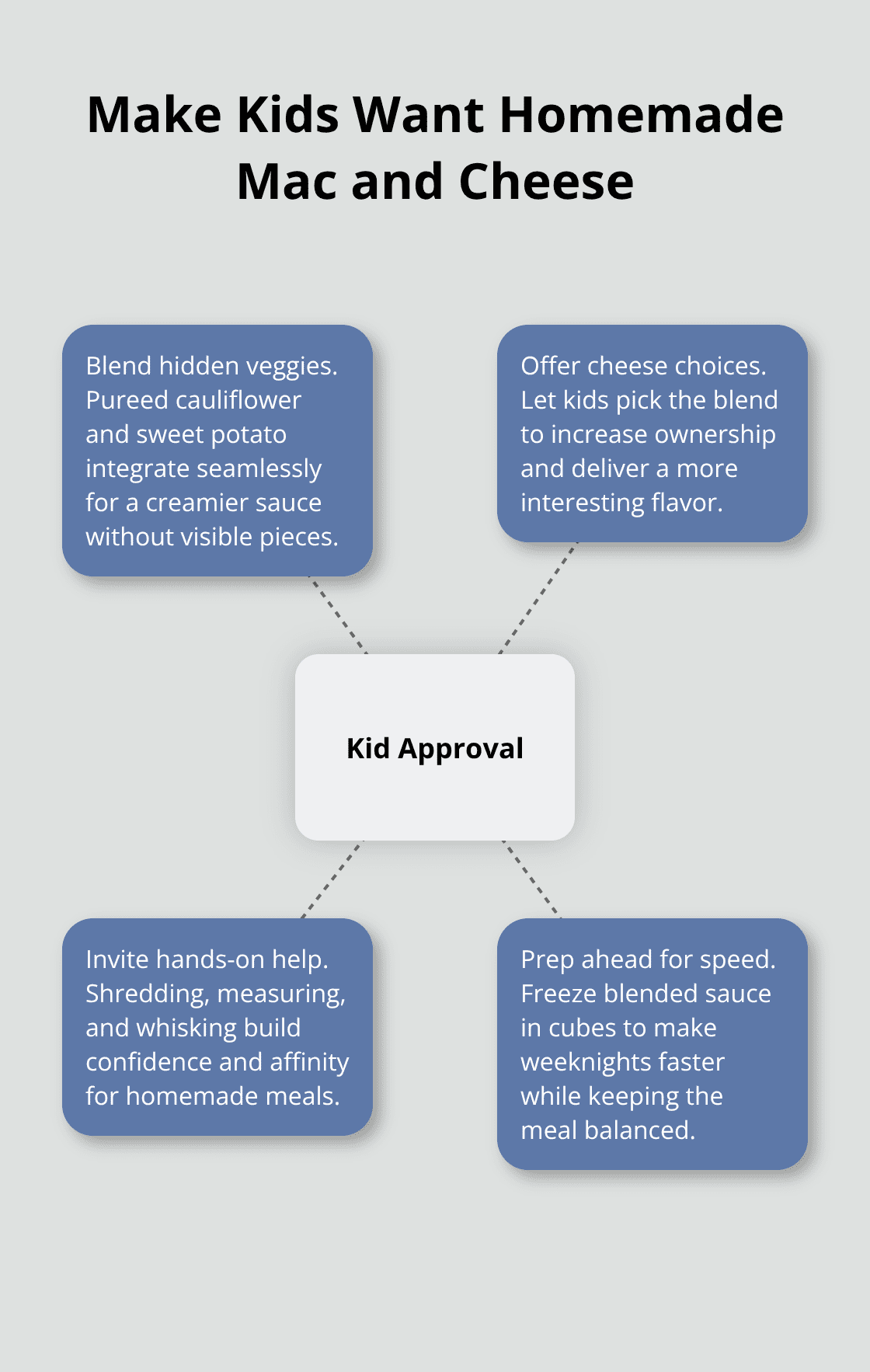
You can prepare this blended sauce ahead and freeze it in ice cube trays, making weeknight dinners faster when you’re exhausted. The nutrition shifts dramatically with this addition-your mac and cheese transforms from a carb-heavy side into a vegetable-containing main course that satisfies parental concerns about balanced meals.
Let Kids Choose Their Cheese Blend
Kids develop investment in the dish when they participate in cheese selection. Hand them two or three cheese options and let them choose which blend goes into the sauce instead of deciding for them. A three-cheese blend for mac and cheese creates a more interesting flavor profile than cheddar alone, and when kids select it themselves, they become invested in the outcome.
Gruyère adds a nutty depth that transforms ordinary mac and cheese into something restaurant-quality, while Colby provides a mild, smooth melt for kids who find sharp cheddar intimidating. The three-cheese approach costs roughly the same as buying a single bulk block but produces noticeably better results.
Build Kitchen Confidence Through Participation
Kids who help shred cheese, measure flour, and whisk the roux develop confidence in the kitchen and understand that homemade food requires minimal extra effort compared to boxed alternatives. This hands-on involvement means they’ll request homemade mac and cheese specifically, not as a default dinner but as something they genuinely want to eat. When children participate in preparation (from ingredient selection to final plating), they transform from passive eaters into active participants in their own meals.
Final Thoughts
Homemade mac and cheese becomes a family favorite the moment kids realize they prefer it to anything from a box. Once you’ve made it once, you’ll understand why the effort is minimal and the payoff is enormous. Your kids will ask for it by name instead of accepting it as a default dinner option.
When you make mac and cheese at home, you teach your children that real food tastes better, costs less, and requires no special skills or equipment. Kids who grow up eating homemade versions develop preferences for quality ingredients and genuine flavors over processed alternatives, shaping their eating habits for decades. You can prepare creamy mac and cheese faster than driving to pick up takeout, and the cost per serving undercuts most restaurant options.
We at Laurie’s Grill understand the appeal of comfort food done right, and we invite you to experience that same philosophy in our restaurant. Visit Laurie’s Grill in Bend, Oregon to enjoy home-style meals that remind you why classic American diner food endures. Whether you cook at home or dine out, quality ingredients and generous portions bring families together.
Recent Comments