
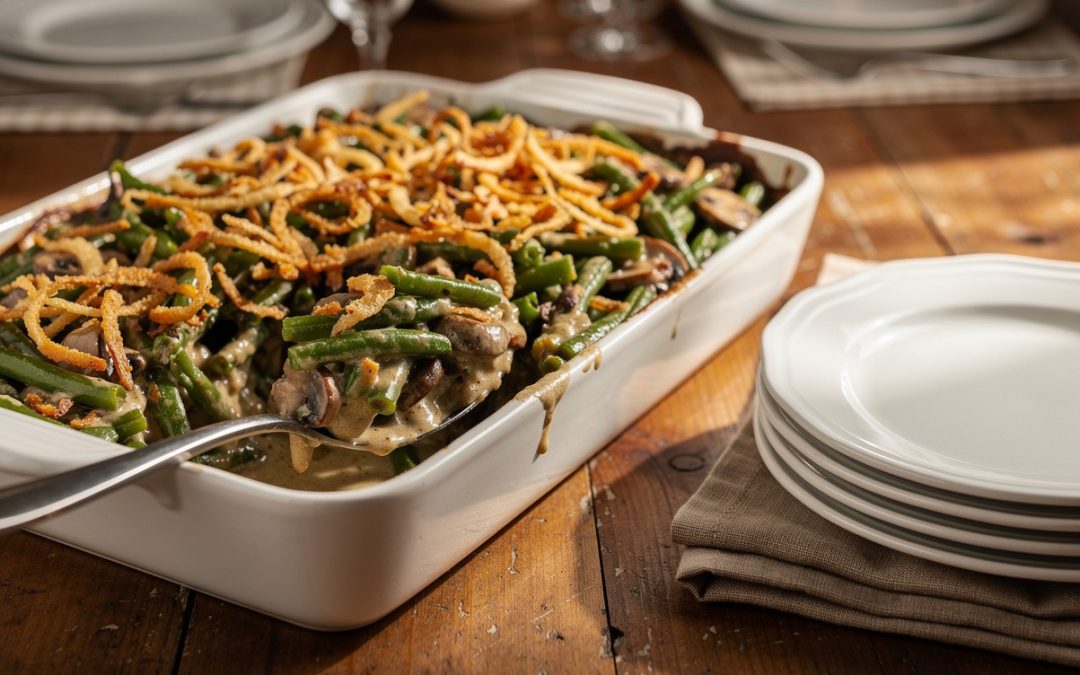
Green bean casserole has been showing up on American dinner tables for over 70 years, and it’s not going anywhere. This creamy, comforting dish has earned its place as a holiday essential for millions of families.
At Laurie’s Grill, we know that mastering this recipe means understanding what makes it work-and how to make it work even better for your gatherings. Whether you’re cooking it for the first time or perfecting your family’s version, we’ll walk you through everything you need to know.
How Green Bean Casserole Became America’s Most Iconic Side Dish
The Birth of a Kitchen Solution
Green bean casserole did not exist before 1955. Dorcas Reilly created the recipe in the Home Economics Department of Campbell Soup Company. The original recipe, called Green Bean Bake, combined just five ingredients-canned green beans, cream of mushroom soup, milk, soy sauce, and French fried onions. That small batch of ingredients produced something remarkable.
Campbell’s reports this is now their most requested recipe. In 2004 alone, 20 million households served it on Thanksgiving. The National Inventors Hall of Fame inducted the recipe in 2002, recognizing Dorcas Reilly as the mother of all comfort foods. This was not just a recipe; it was a solution that fit perfectly into how Americans actually cooked.
Why Texture and Simplicity Won
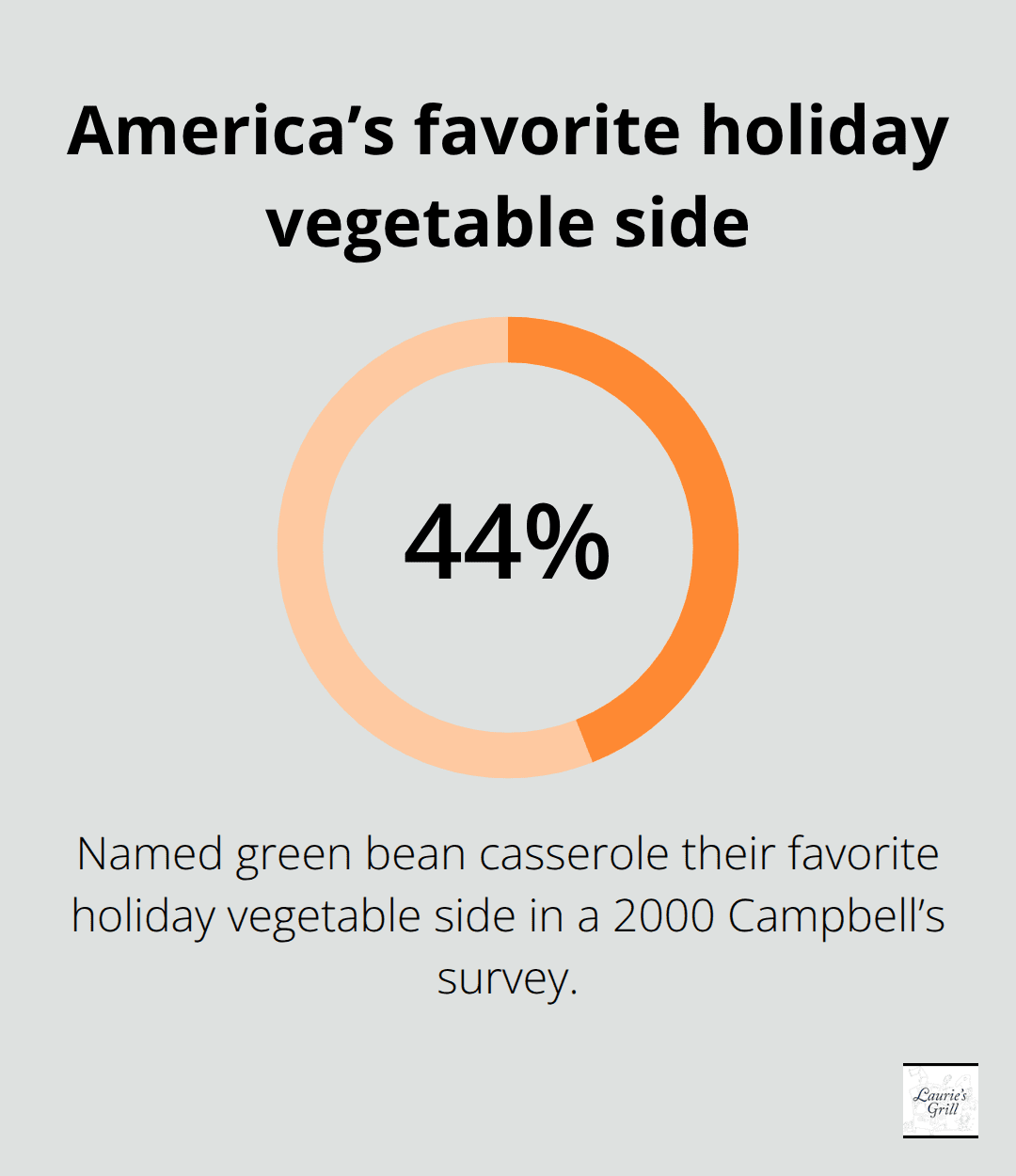
The dish’s unstoppable appeal comes from its combination of accessibility and texture contrast. The creamy sauce paired with crunchy fried onions creates a sensory experience that works. A Campbell’s survey from 2000 found that 44 percent of people named it their favorite vegetable side for the holiday. Over seven decades, families have made it their own-some add pancetta and rosemary, others swap in fresh mushrooms and heavy cream, and many simply follow Dorcas Reilly’s original formula because it works.
The recipe’s longevity proves that comfort food does not need to be complicated. It needs to deliver reliable results and taste good enough that people want to make it year after year.
How Families Make It Their Own
Regional variations exist, but they all trace back to that same core principle: green beans, something creamy, and something crunchy on top. Some families stick with the original five-ingredient version, while others experiment with fresh ingredients and premium additions. What matters most is that each version maintains the texture contrast and ease that made the original so appealing. This flexibility explains why the casserole has remained relevant across generations and why it shows up on tables far beyond Thanksgiving.
Understanding what makes this dish work sets you up to create your own version that fits your family’s tastes and your kitchen’s capabilities.
Building Your Green Bean Casserole from Start to Finish
Selecting and Preparing Your Green Beans
The difference between a mediocre green bean casserole and an exceptional one starts with your choice of beans. Fresh green beans blanched for 3 minutes in salted water, then plunged into ice water, retain their bright color and crisp-tender texture far better than canned alternatives. If you choose frozen green beans, thaw them completely and skip the blanching step since they’re already cooked. This single decision shapes the final dish more than most home cooks realize.
Building Your Creamy Base
You have two distinct paths for the sauce. The traditional route uses one 10.5-ounce can of condensed cream of mushroom soup mixed with half a cup of milk and one teaspoon of soy sauce-Campbell’s reports this combination remains their most requested recipe. Dorcas Reilly added the soy sauce deliberately to elevate the flavor, and removing it weakens the entire dish. If you prefer fresher ingredients, make a simple béchamel sauce by melting butter, whisking in flour, then slowly adding milk while stirring constantly until it thickens. Brown 1 pound of fresh mushrooms in batches with 2 tablespoons of olive oil until deeply golden (this takes 8 to 10 minutes and creates flavor you cannot replicate with canned soup). Fold the mushrooms into your sauce along with minced garlic, salt, and pepper.
Layering Texture with the Right Topping
Use 1.5 cups of French fried onions divided between the casserole and the final bake. Do not skip this division-adding all the onions at once makes them soggy and defeats the entire purpose of texture contrast. This strategic placement ensures the bottom layer absorbs sauce while the top layer stays crispy and golden.
Assembly and Baking Technique
Mix your green beans with the sauce and 1 cup of the fried onions in a 2-quart baking dish (shallow dishes work better than deep ones, as they prevent steam from trapping and creating a gloppy texture). Bake uncovered at 350 degrees Fahrenheit for 25 to 30 minutes until the mixture bubbles around the edges. This first bake brings everything to temperature and allows flavors to meld. During the final 5 to 10 minutes, sprinkle the remaining onions across the top and return to the oven just long enough to warm them through without burning-overcooked onions taste bitter and papery.
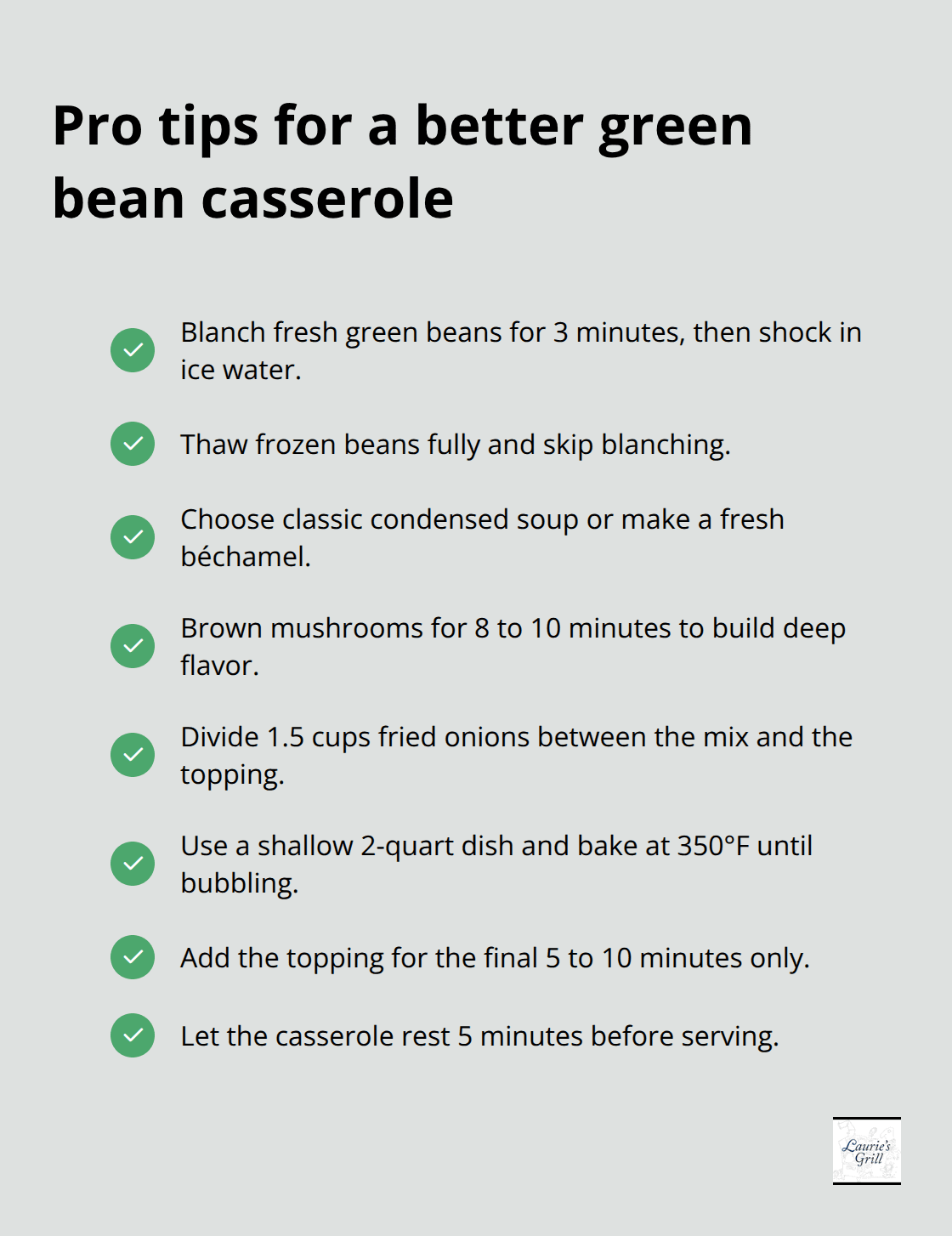
Let the finished casserole rest for 5 minutes before serving, as this settling time allows the sauce to set slightly and lets flavors reach their peak.
Planning Ahead for Busy Days
If you prepare this ahead, assemble everything except the final onion topping and refrigerate for up to 48 hours. Cold casseroles need an extra 10 to 15 minutes in the oven, so add that time to your calculation. Temperature control matters more than most home cooks realize, and understanding these timing adjustments separates rushed results from polished ones. With your casserole ready to bake, the next step involves coordinating it with your other dishes and managing the timing that keeps everything hot when guests arrive.
Getting Your Green Bean Casserole on the Table at the Right Moment
Timing Your Casserole to Perfection
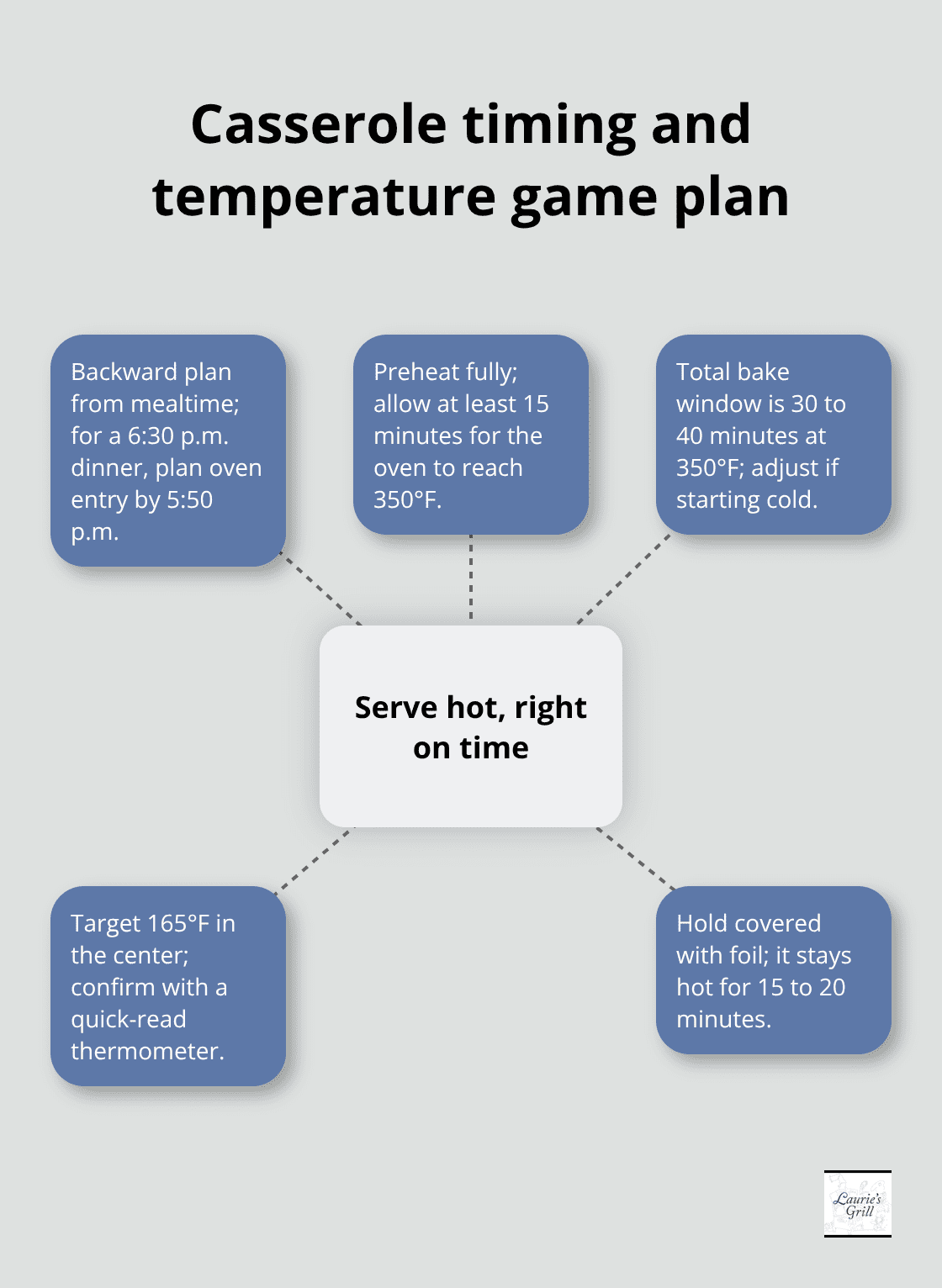
Timing separates successful gatherings from chaotic ones. Green bean casserole demands precise coordination because it needs to arrive at the table hot and bubbling, not lukewarm and separated. The casserole takes 30 to 40 minutes total in a 350-degree oven, which means you should calculate backward from when you want to serve dinner. If guests arrive at 6 p.m. and you want to eat at 6:30 p.m., your casserole needs to go into the oven no later than 5:50 p.m. This timing works only if your oven reaches temperature at least 15 minutes before you need it. Cold ovens extend cooking times unpredictably and create uneven heating.
Start preheating while you finish your other dishes.
The casserole holds heat well once it finishes baking-it stays hot for 15 to 20 minutes when covered with foil, which buys you flexibility if your turkey or ham runs behind schedule. Temperature matters as much as timing. The internal temperature should reach 165 degrees Fahrenheit at the center, which happens reliably in 30 to 35 minutes from room temperature or 40 to 45 minutes straight from the refrigerator. Use a quick-read thermometer to check the thickest part of the casserole rather than guessing based on appearance alone. A casserole that looks done on top might still be cold in the middle, and serving it lukewarm defeats the entire purpose of the dish.
Pairing Your Casserole with Other Dishes
Green bean casserole works best alongside rich, savory mains like turkey, ham, roasted chicken, or meatloaf because the creamy sauce and crunchy onions provide textural contrast without competing for attention. Avoid pairing it with other cream-based sides like mashed potatoes with heavy gravy or buttered corn casserole, as too much richness flattens the meal. Instead, add brightness with roasted vegetables like Brussels sprouts or asparagus, a sharp salad with vinaigrette, or a tangy cranberry sauce.
The casserole occupies significant oven space, so coordinate your baking schedule before the day arrives. If you’re also baking rolls, a second vegetable casserole, or desserts, map out which dishes can share oven space at 350 degrees and which need different temperatures. Some items cook fine at 350 degrees even if they prefer 375 degrees-rolls take slightly longer but still work. Others, like pie, genuinely need their specific temperature.
Creating a Written Timeline
Make a written timeline the day before your gathering. Write down exactly when each dish enters and leaves the oven, when you pull items out to rest, and when you add toppings or make final adjustments. This written plan prevents the scramble that happens when four things need attention simultaneously. A simple list on paper or your phone eliminates confusion and keeps you focused on what matters most.
Preparing Your Casserole in Advance
Assemble your casserole completely except for the final fried onion topping up to 48 hours in advance, then refrigerate it in the baking dish you’ll use for cooking. This approach eliminates assembly work on the day of your gathering and reduces the chance of spilling ingredients or forgetting components. When you’re ready to bake, pull it from the refrigerator 20 minutes before it goes into the oven so it warms slightly and cooks more evenly. Add 10 to 15 minutes to the total baking time since cold casseroles need more time to heat through completely.
The fried onion topping must stay separate and dry until the final 5 to 10 minutes of baking, no matter how far ahead you prepare everything else. Moisture turns them into a soggy paste, which ruins the texture contrast that makes this dish special. Store them in an airtight container at room temperature, and add them only during that final bake window.
Final Thoughts
Green bean casserole endures because it solves a real problem that home cooks face every time they gather family around a table. It delivers reliable results, tastes genuinely good, and requires no special skills or expensive ingredients. Dorcas Reilly understood this when she created the recipe in 1955, and nothing has changed about what families actually need from their food.
The beauty of this casserole lies in how it welcomes your personal touch without demanding it. You can follow the original five-ingredient formula exactly as Campbell’s intended, or you can brown fresh mushrooms, add garlic, swap in heavy cream, and layer in pancetta. Both versions honor what makes the dish special: the texture contrast between creamy sauce and crispy onions, the ease of preparation, and the comfort it brings to your table (whether you use fresh green beans or frozen ones).
When you make green bean casserole for your family, you participate in a tradition that spans generations and connects millions of American households. That casserole sitting on your table represents continuity and belonging, and it carries the feeling of being cared for. Visit Laurie’s Grill to experience the same home-style classics that families love, or prepare this timeless dish in your own kitchen.

Recent Comments